Exhibition – Cabinet d’amateur privé : “Sacré Mortier”
His radical, transgressive style, his elliptical language—in short, his avant-garde modernity in the 1950s—do not, at first glance, suggest that Mortier had a particular interest in the Old Masters or in sacred history. And yet… During several stays abroad funded by grants from the Ministry, he did much more than simply observe his illustrious predecessors. He analyzed them and drew inspiration from them without copying them, as evidenced by numerous notes and sketches in the archives, and even more so by the ink drawings and paintings on display in this “Cabinet d’amateurs,” which span several decades.
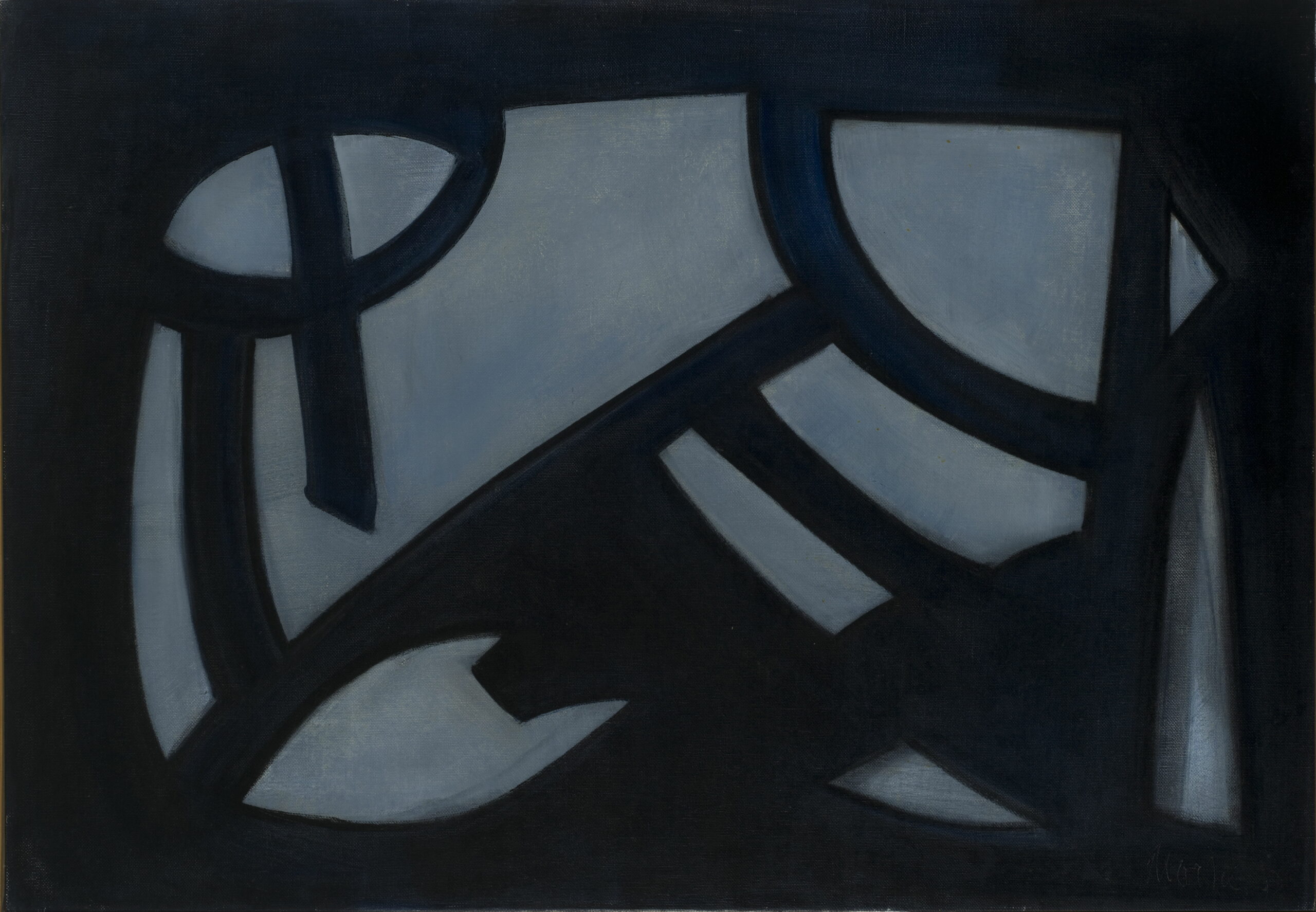
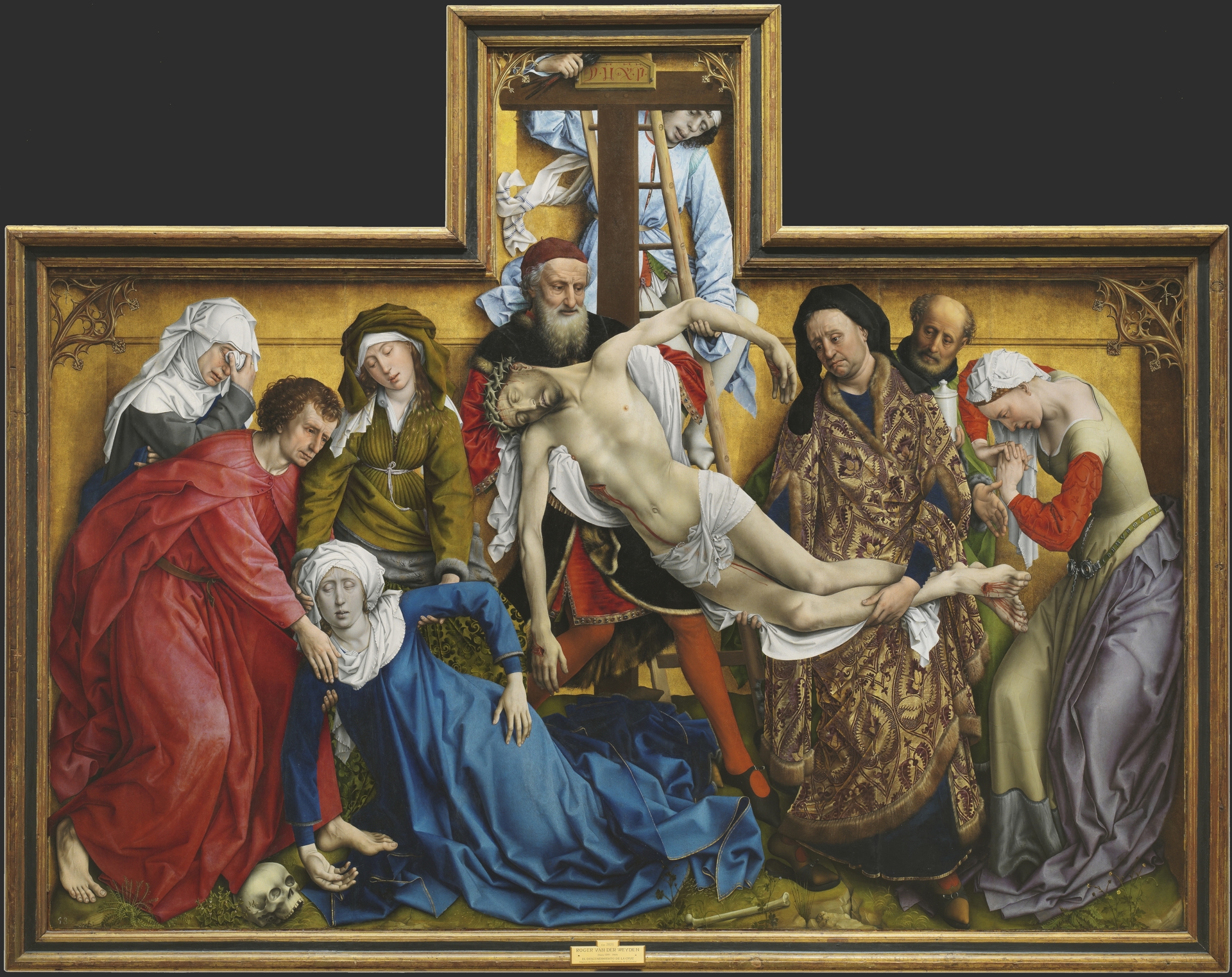
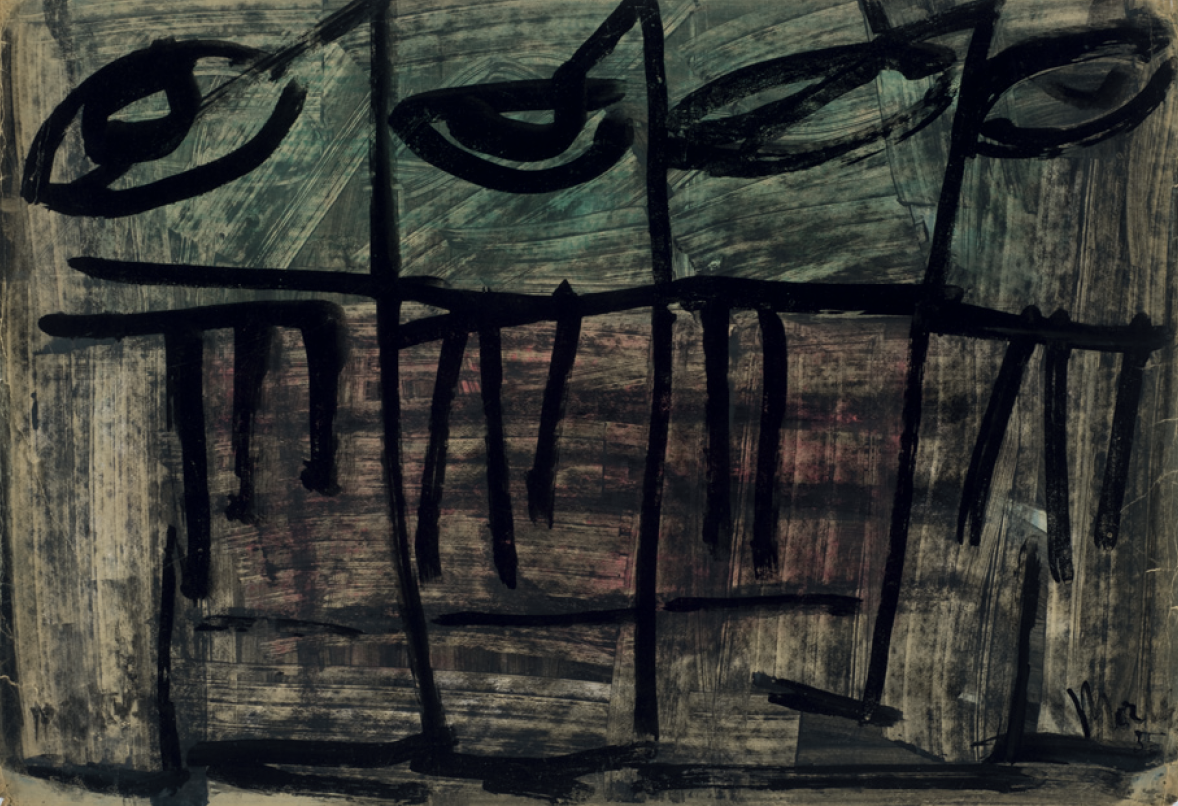
Whether it is the beautiful Pietà on a blue background fig. 1, the strange Croisée [ fig. 2], where Christ’s body seems to take the shape of a crossbow as in Van der Weyden’s famous Descente de Croix fig. 3, or the mysterious Lazare [ fig. 4]—which Françoise and I believed could be linked to Rembrandt’s La Résurrection de Lazare fig. 5—all these works reveal an unsuspected visual repertoire.
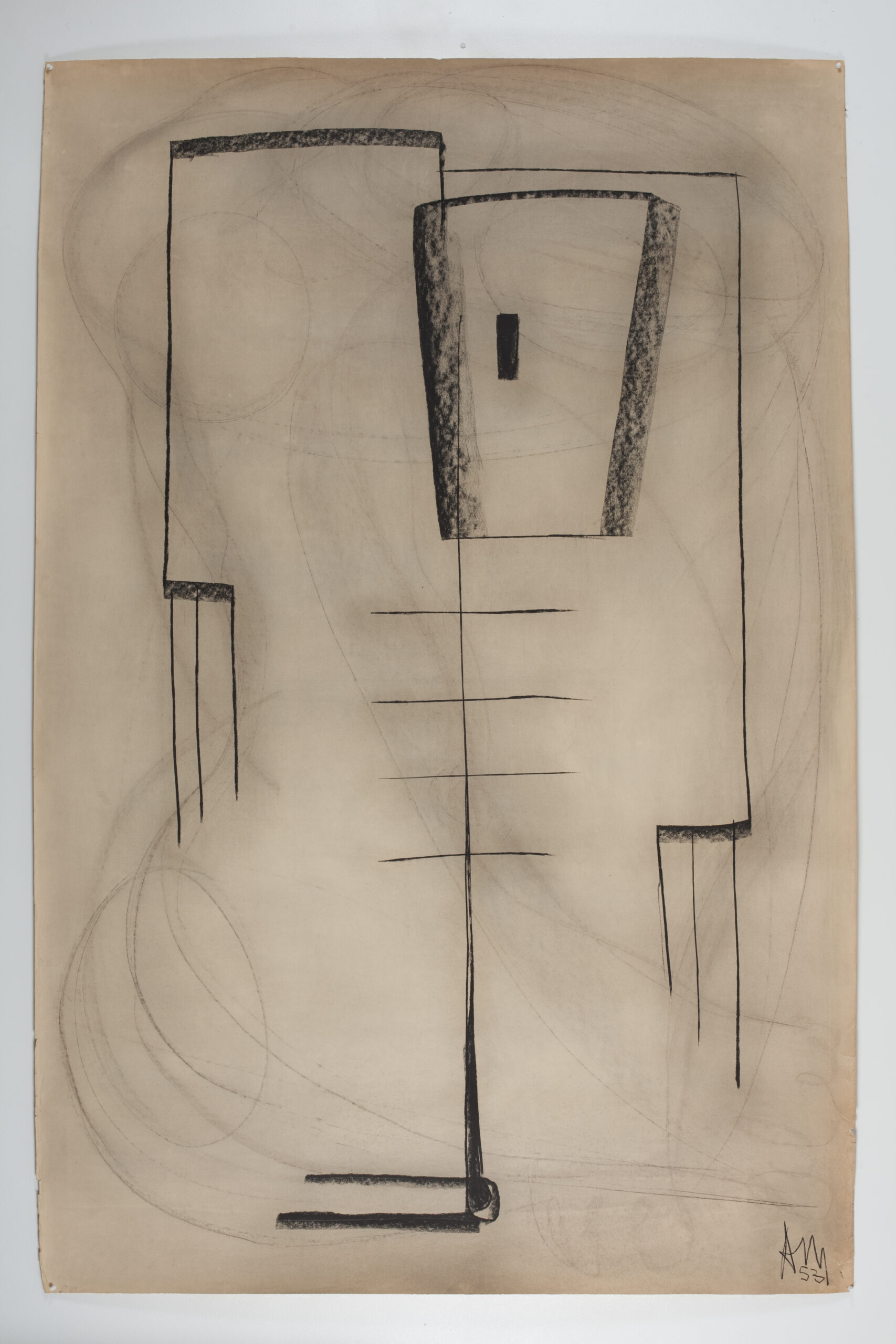
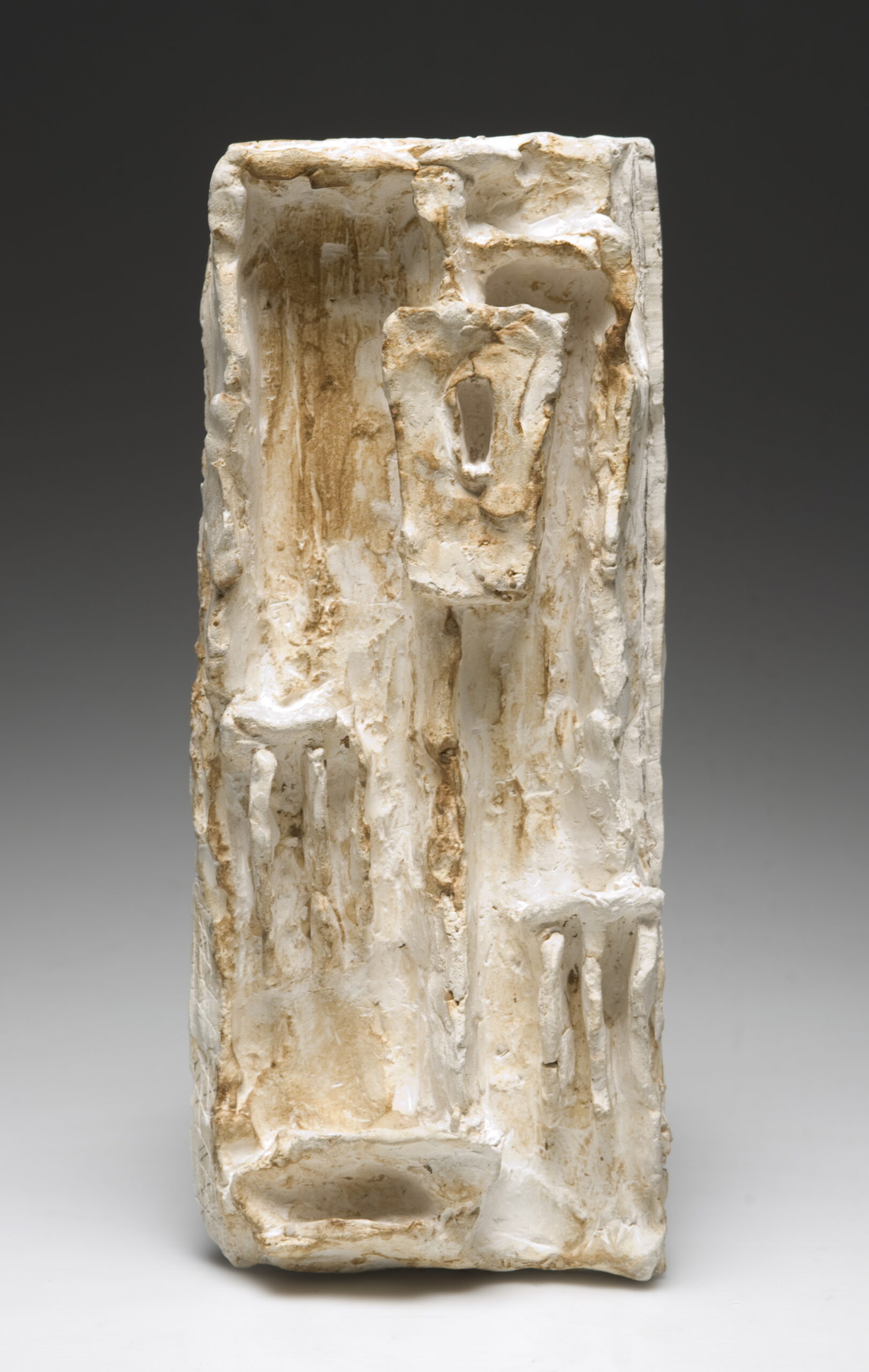
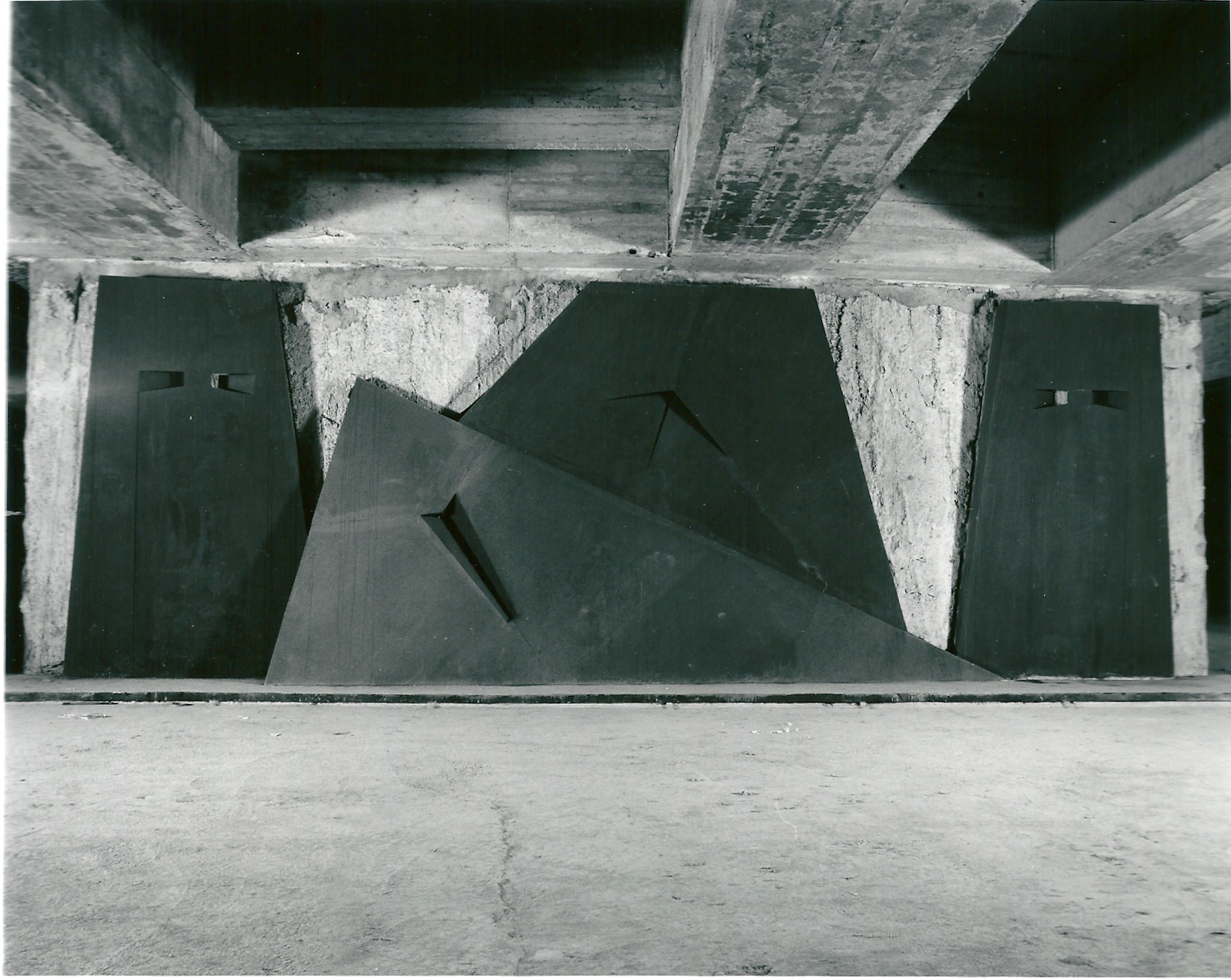
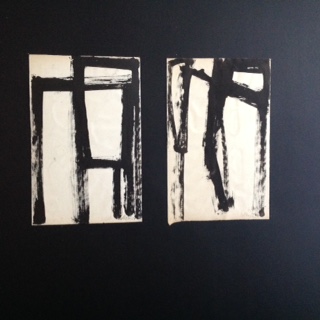
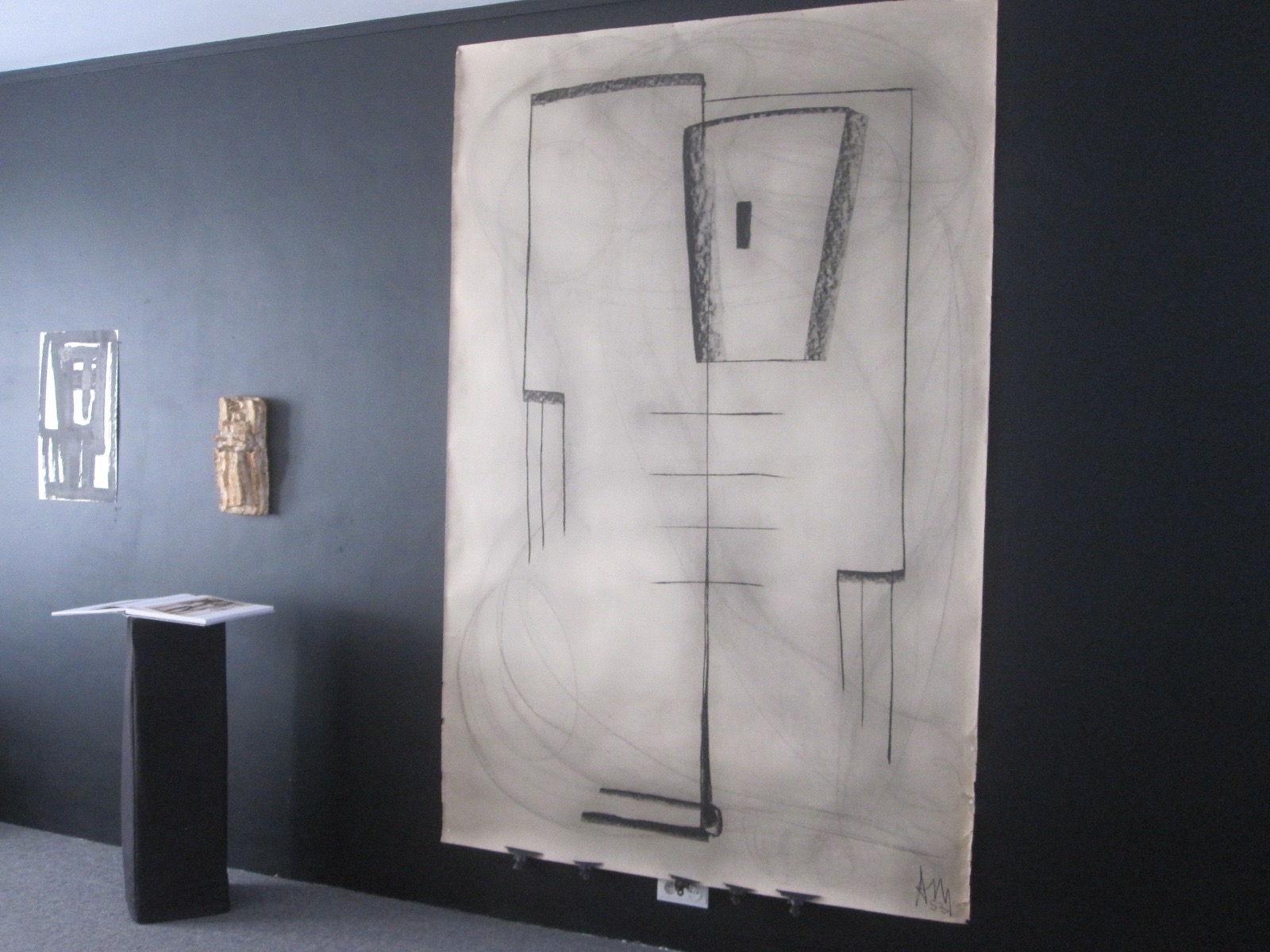
And I haven’t forgotten the irreverent drawing of Christ fig. 6 fig. 7 that covers the entire wall, nor the highly abstract Pietà at the Yser metro station in Brussels—a tribute on raw concrete to those lost in the war—whose ink drawings, gathered here, can be compared fig. 8.
Most modern and contemporary painters have, each in their own way, sought to restore a connection with the religious or secular past, interpreting and reimagining the works they admire to varying degrees. Sometimes it is a detail in a masterpiece—a relationship between tones, a glaze, or a chiaroscuro—that sparks their admiration, or the entire composition and its mystery. Marthe Wéry herself, a minimalist painter if ever there was one, dedicated an entire series of paintings to the Italian Mannerist Pontormo. Just one example among thousands. In Mortier’s work, straddling the modern and contemporary eras—where questioning art and experimentation are de rigueur—the reinterpretation of works from the past is always radical, for he is convinced that he must continually develop what is uniquely his own. The source of inspiration is no less evident there, even in the most unusual of these Pietàs or in this Parabole des aveugles, highly stylized with solid blocks of brown, pink, and sky blue! fig. 9.
Mortier notes in passing that he appreciates the artistic genius of these masterpieces all the more precisely because he is so far removed from them—light-years away. This does not mean that he rejects their “soul”—and even less so their artistic language—but rather that it is up to him to interpret them in his own way and in the spirit of his time.
Between 1956 and 1959, he visited Toledo, Madrid, Rome, Venice, and Florence, delving into the artistic world of the greatest masters. Giotto, Uccello, Piero della Francesca, Bruegel, Van der Weyden, Memling, Dirk Bouts, Rembrandt, Rubens, Goya, El Greco… So many Crucifixions, Entombments, Pietàs, Resurrections, and Mothers with Child… which he interpreted so well between the lines—between the lines of force—that they later reemerged, transfigured, under his signature. He makes a special mention of Rembrandt, who seems to him:
“the most complete of all these masters, whom he describes as the first truly modern artist in the sense that he obeys only his own personal impulse (…) and the one whose work radiates the broadest and warmest humanity.”
– Antoine Mortier
The boldness of his interpretations, as you will see, is surprising and at times amusing. It reveals a direct encounter with the Old Masters, in which Mortier allows himself to be captivated by the rarity and refinement of the tones, the breadth of the conception, the power of color to expand space, the values that create life, depth, and mystery, and the structure’s lines that generate rhythm and dynamism. This theme recurs in his notes like a leitmotif.
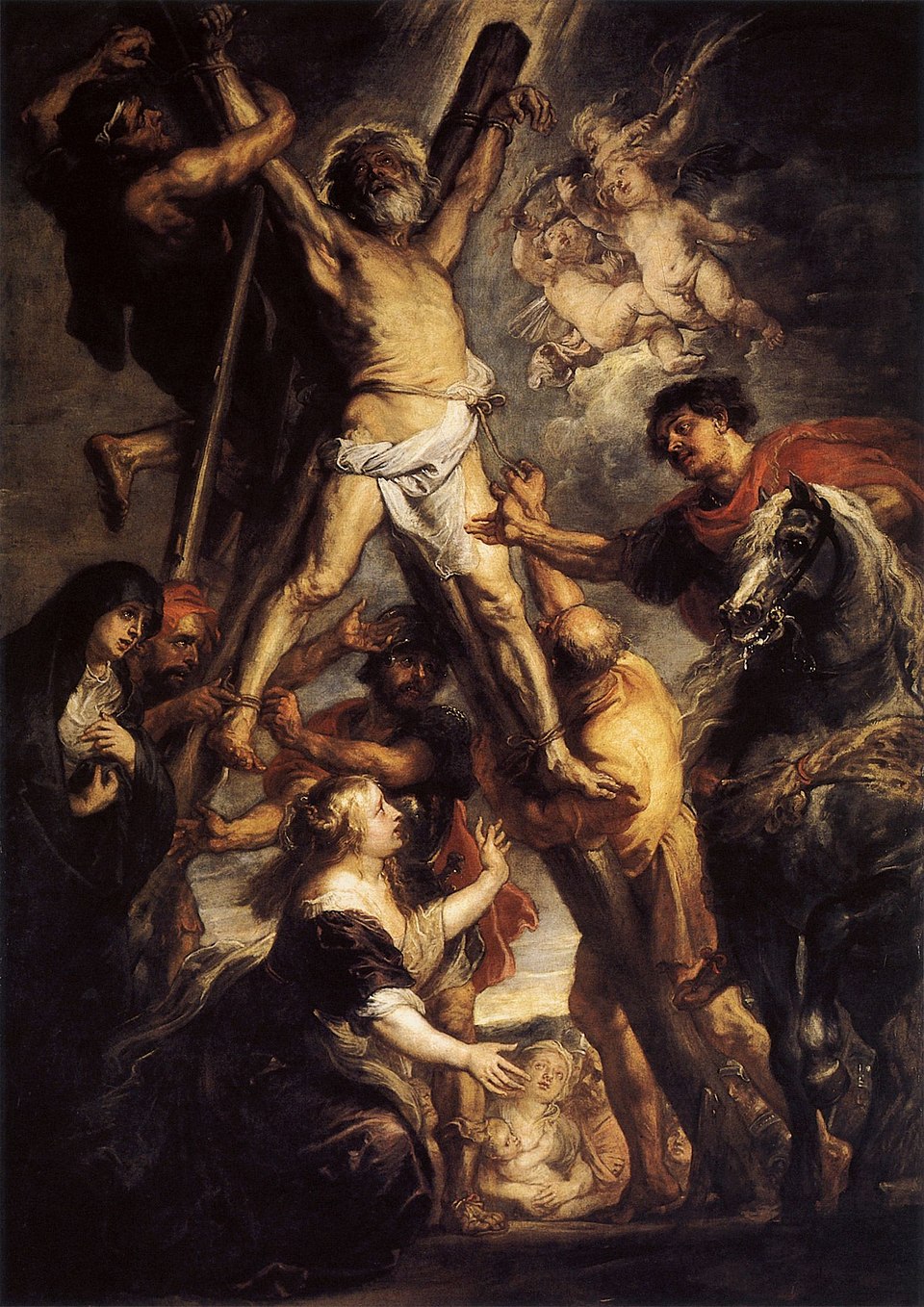
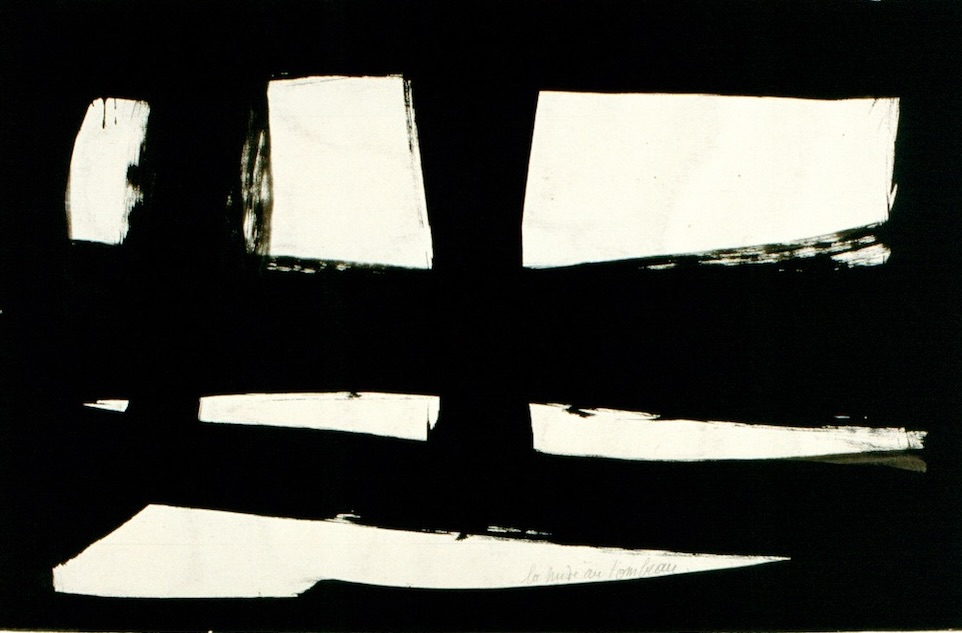
If we, in turn, look at paintings such as Rubens’s Le Martyre de Saint André fig. 10, with its dizzying Baroque composition, Le Transport du bois de la Croix and La Torture du Juif in Piero della Francesca’s frescoes in Arezzo, and Fra Angelico’s la Mise au tombeau, which he may have seen in Florence, we can clearly understand the dynamics at work. It is particularly evident in the ink drawings, where the contrast between deep blacks and luminous whites, and the extreme simplification of the structure, leads to metaphorical equivalences, where the chosen themes give the impression of gliding from one to the other in an interlocking series of visions fig. 11fig. 12fig. 13.
What is certain is that Mortier instinctively distinguishes between the soul of the painting—which owes everything to itself, to its unique character—and the religious content of the painting. His choice of themes from the Passion does not reflect any kind of anachronistic piety, but rather an act of faith in the power of painting!
*In medieval theology, the body of Christ sur la Croix with his arms hanging down evokes the shape of a cocked crossbow that has fired its deadly projectile… Van der Weyden’s La Descente de Croix, known as the Crossbowmen of Leuven, is housed at the Prado.
— Danièle Gillemon, Member of the Fine Arts Class of the Royal Academy of Belgium