Antoine Mortier was six years old when the war broke out. Despite his young age, he was deeply affected—as no one could have imagined—by the echoes of the Great War that reached him.
He paid tribute to his valiant soldiers when, sixty-nine years later, the STIB proposed that he create a work of art for the “Yser” station on the Brussels metro
After initially refusing—though not categorically—during a site visit, he took in the raw, archaic quality of a concrete wall over 9 meters long, left in its unfinished state, and finally accepted the challenge, on the condition that it be left as is.
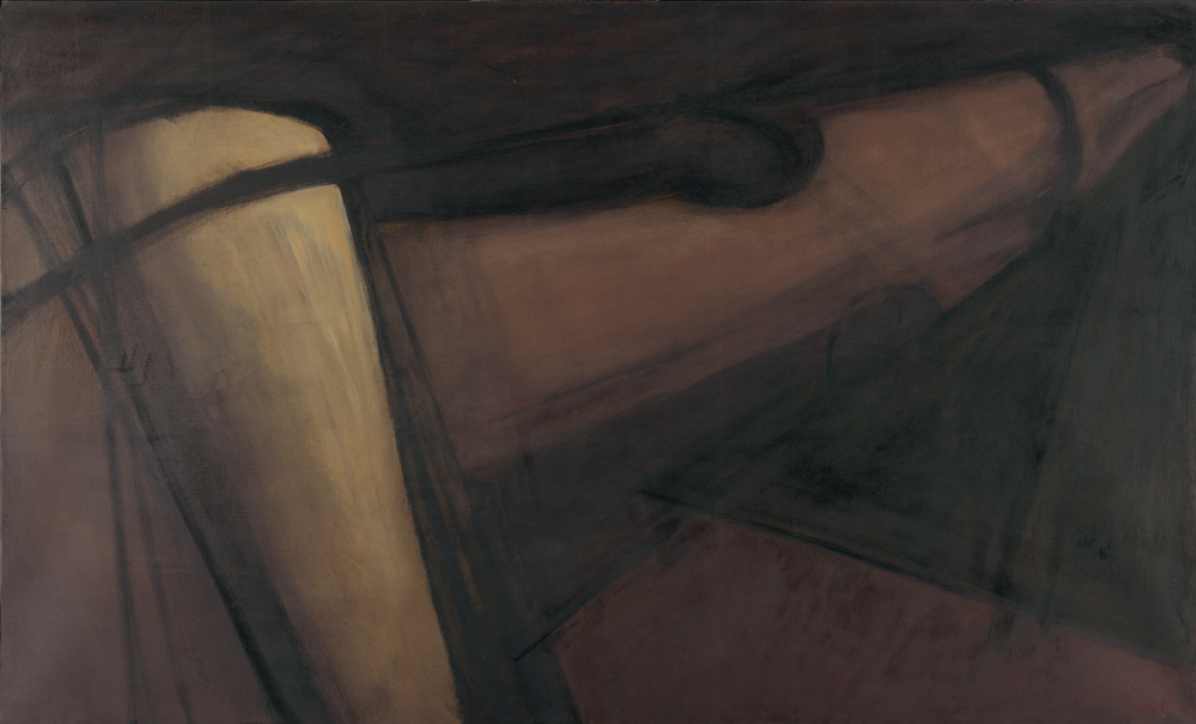
Anxious about the sculptural challenge he faced, in 1984 he painted what he believed would be his last easel painting, an oil on canvas titled Ultimo (146 x 242.5 cm) fig. 1, which is part of the collection of the Royal Museums of Fine Arts of Brussels. Its unadorned style and understated, almost transparent texture foreshadow the paintings that would follow. His creative energy had reached a state of serenity and foreshadowed the power of the simple forms found in his sculptural work.
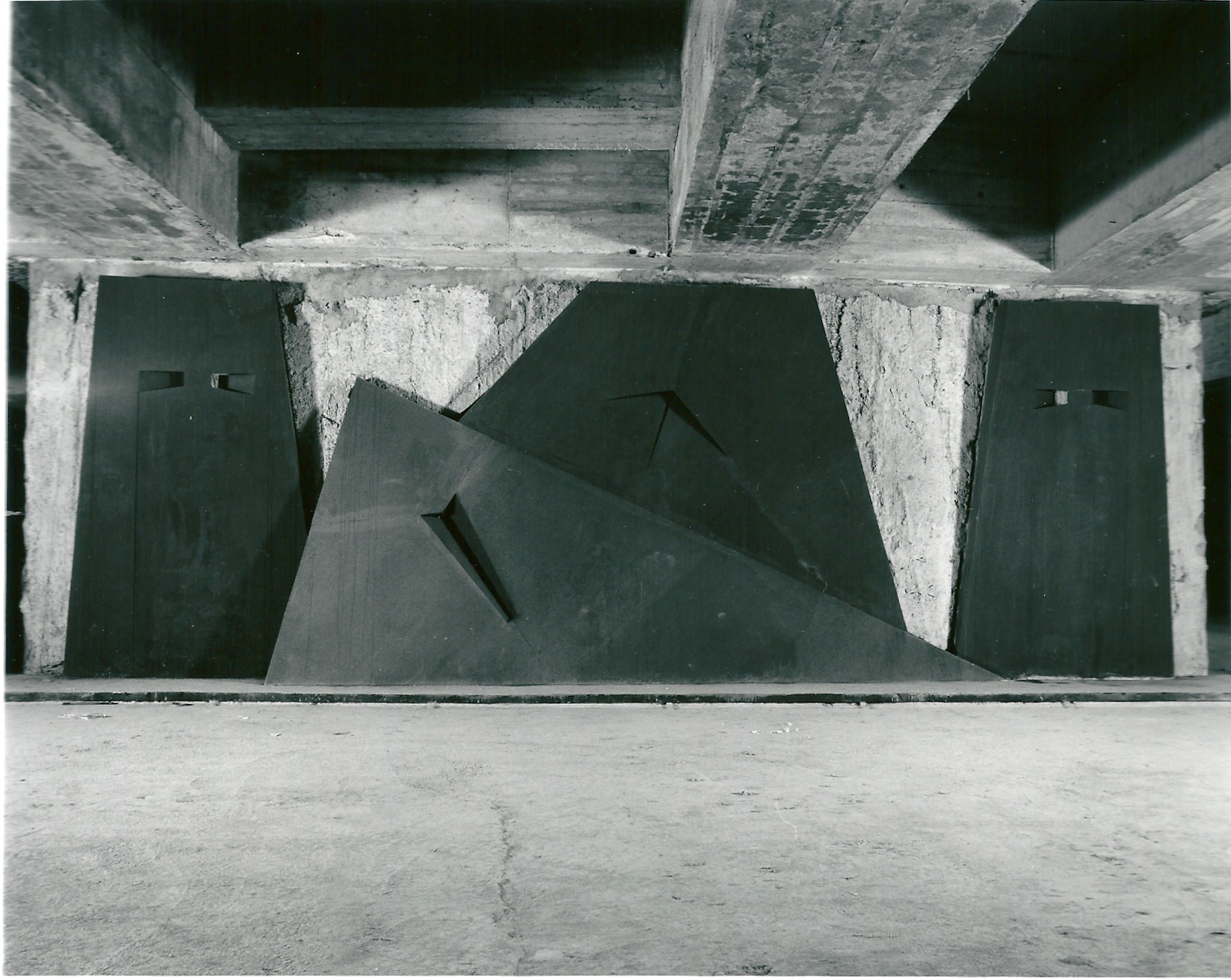
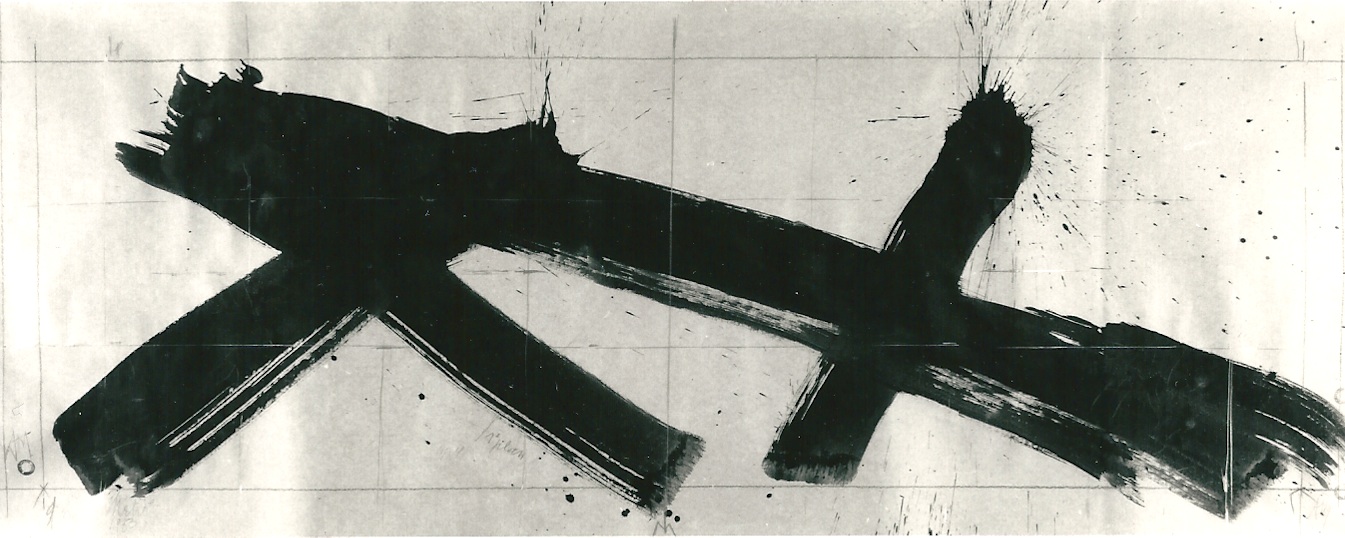
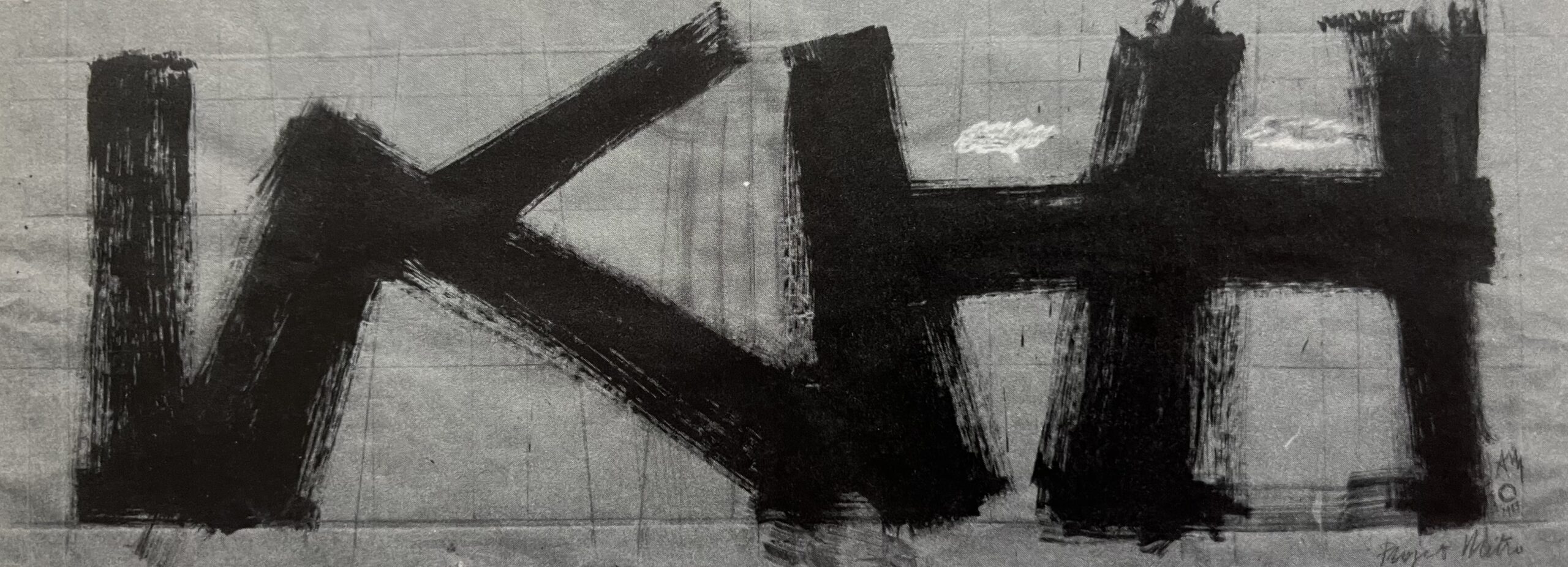
Antoine Mortier takes the raw volume and marks it with a first high-relief steel sculpture (3.20 x 9.50 m), which he titles Pietà [ fig. 2]fig. 3fig. 4. He precedes it with multiple India ink drawings, predominantly in horizontal format, commissioned by the STIB and the SMAK in Ghent. In the spiritof Ultimo, Piéta depicts a fallen soldier resting in his mother’s arms while two sentinels stand guard. The steel, like a bayonet blade, cuts out the frontal triangular shapes. The monumental and respectful effect, recognized by the commissioners, prompted him to accept their offer to continue the challenge by creating a second installation for the reverse side.
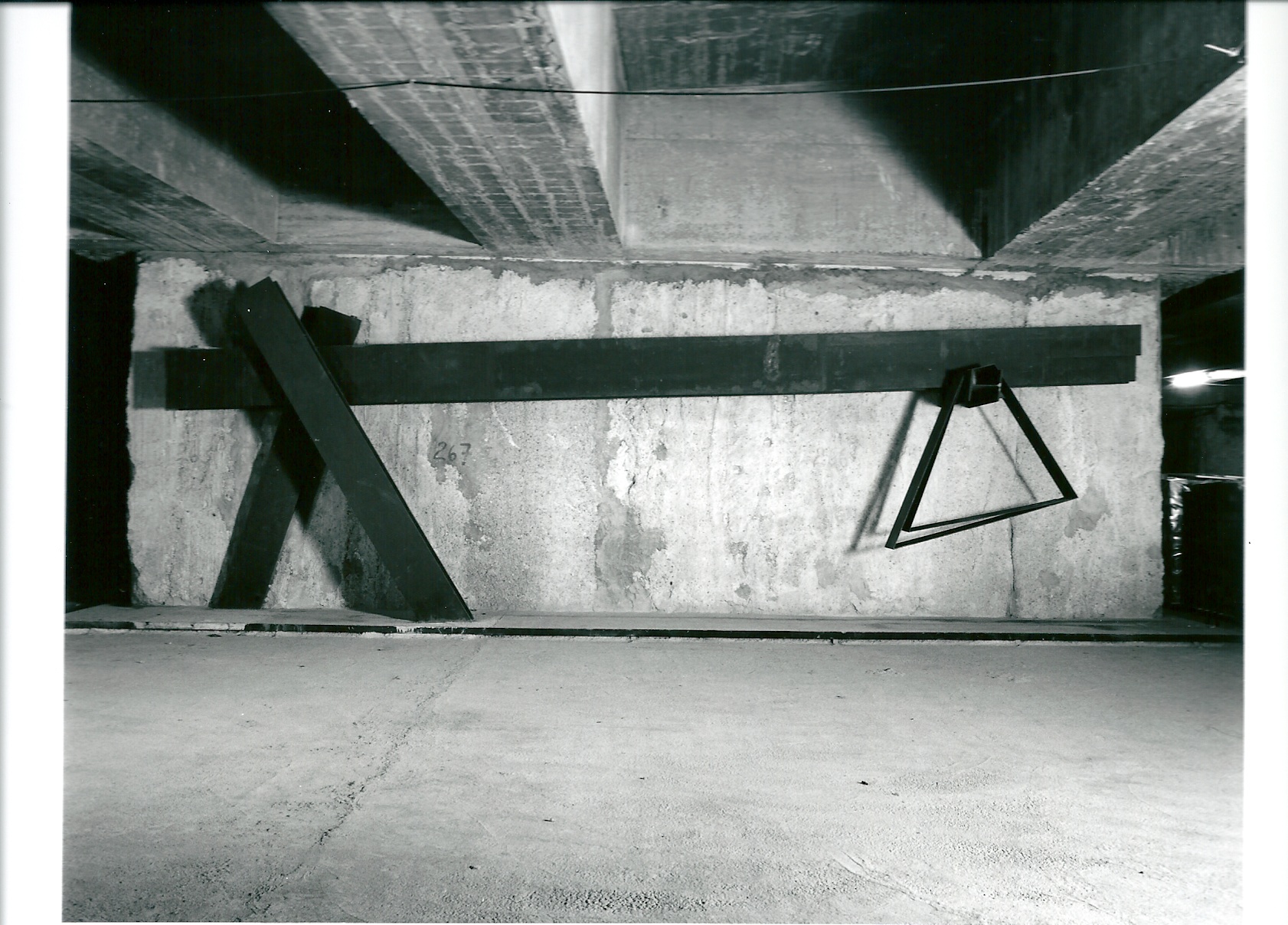
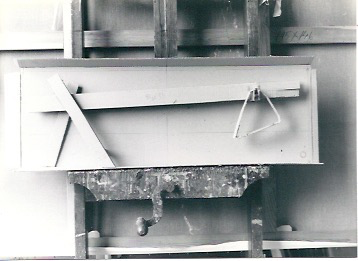
His concept is then expressed through a striking symbol: “La barrière d’Yser ” fig. 5fig. 6fig. 7, from which hangs the victor’s crown. With just a few strokes of a steel beam, Mortier pays tribute to those who died for the Belgium he loved so dearly.