His beautiful baritone voice still echoes in my ears. It would herald the completion of a work or celebrate a happy family moment. Great opera arias, Negro spirituals, and Gregorian chants filled the studio just as they filled the living room. My father sang only in moments of joy and expressed through his voice what was most precious deep within him: his creative, lyrical spirit. A member of a Brussels choir, the Cercle Edouard Bauwens, since the early 1920s, he went on several singing tours to France with the group.
At the same time, he had become a furrier and, by the age of 18, was working at renowned Brussels fashion houses, including Natan, where he met his wife, Emilienne Lempereur, in 1936. She worked there as a lead seamstress and workshop manager. In the evenings, he took singing and music lessons at the Académie de Saint Josse-ten-Noode.
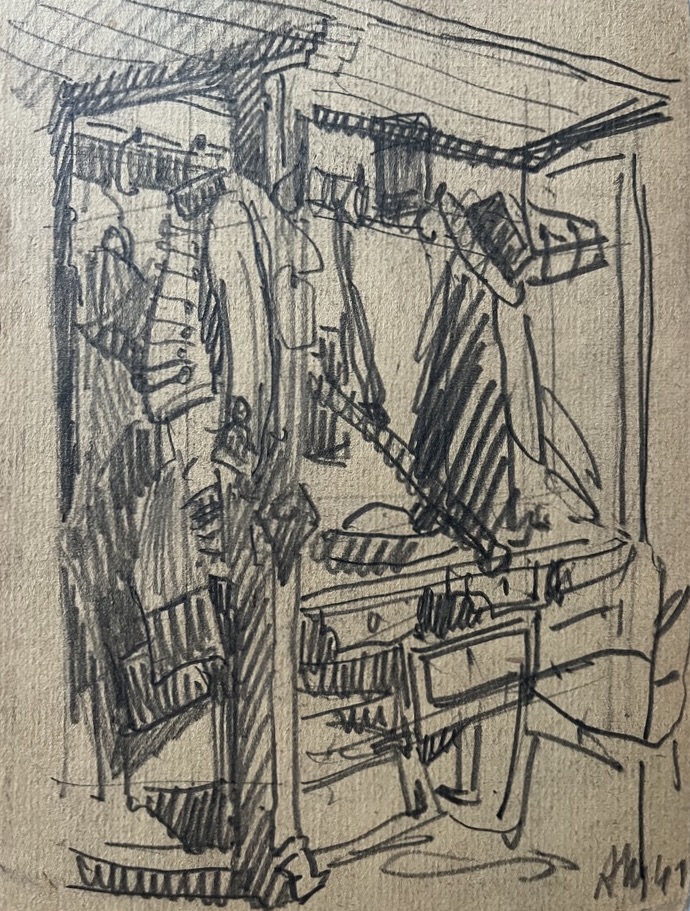
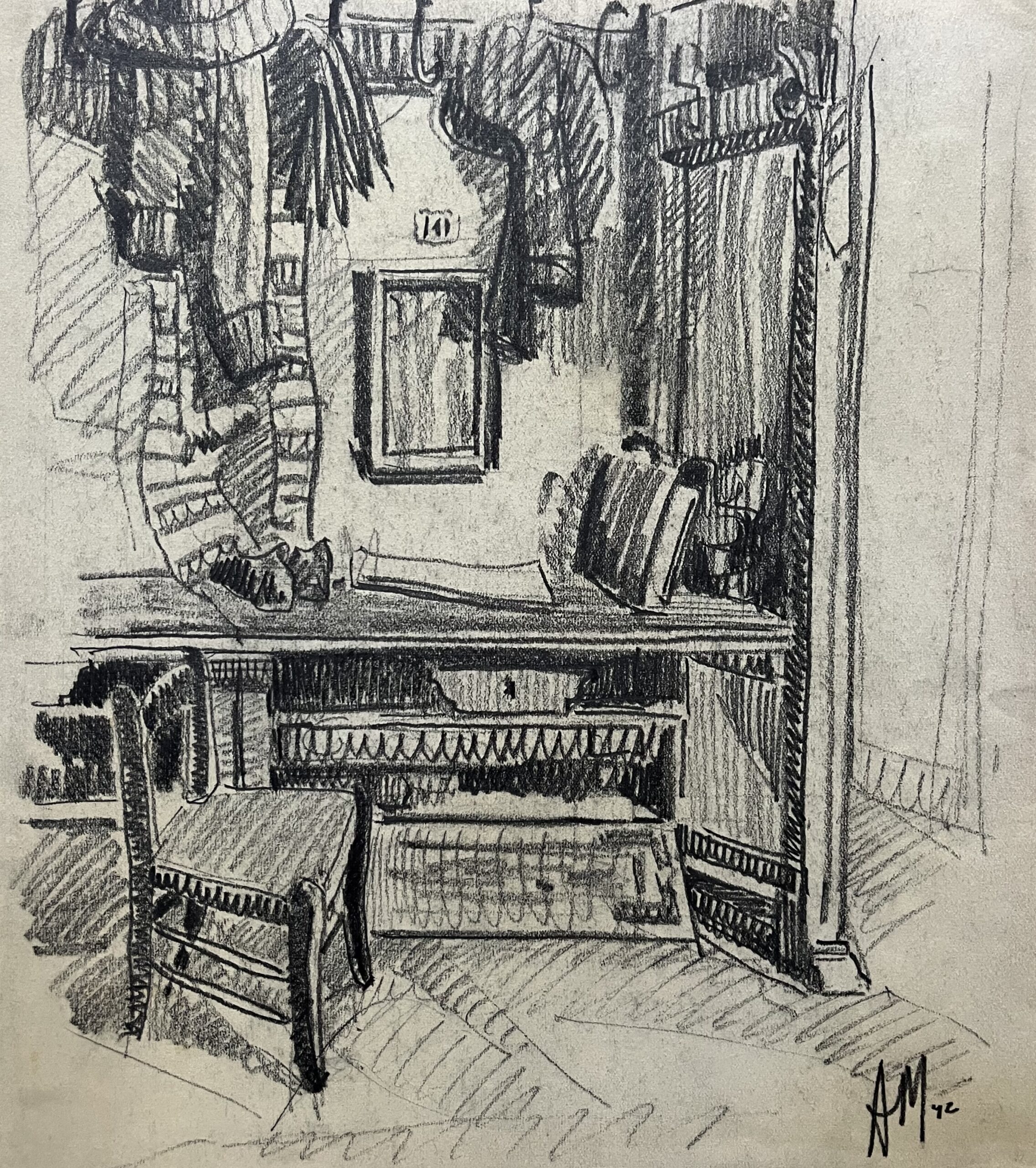
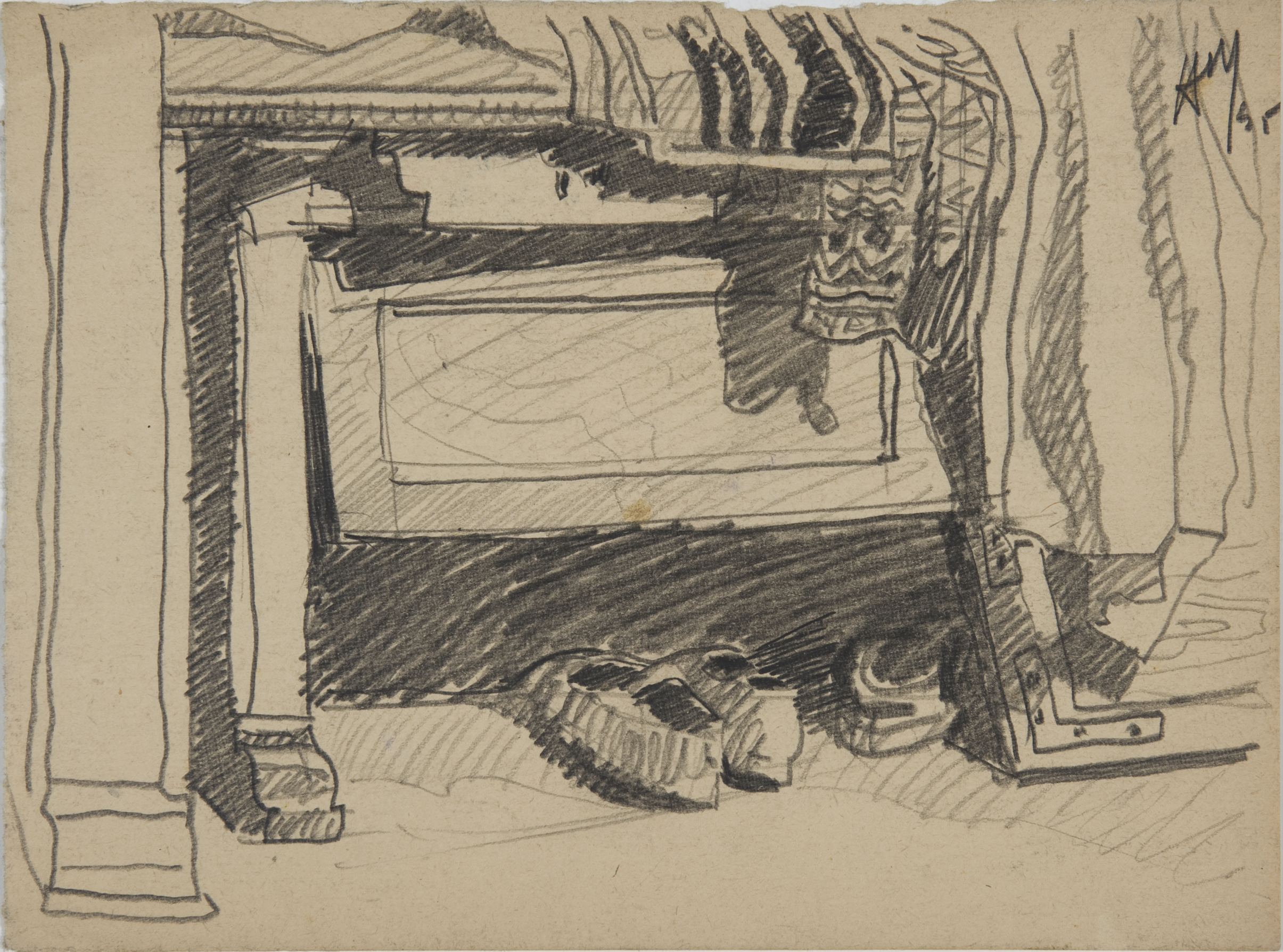
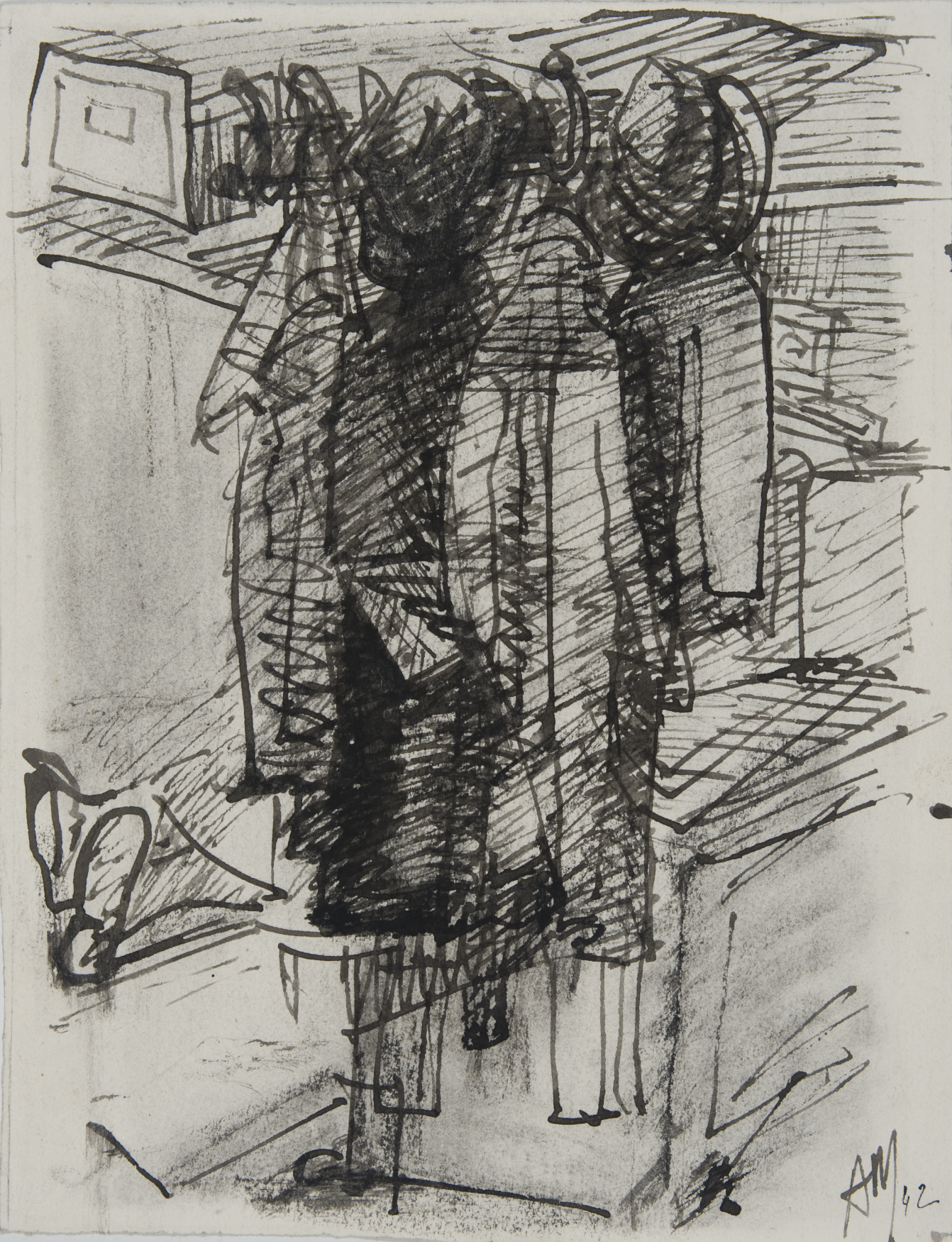
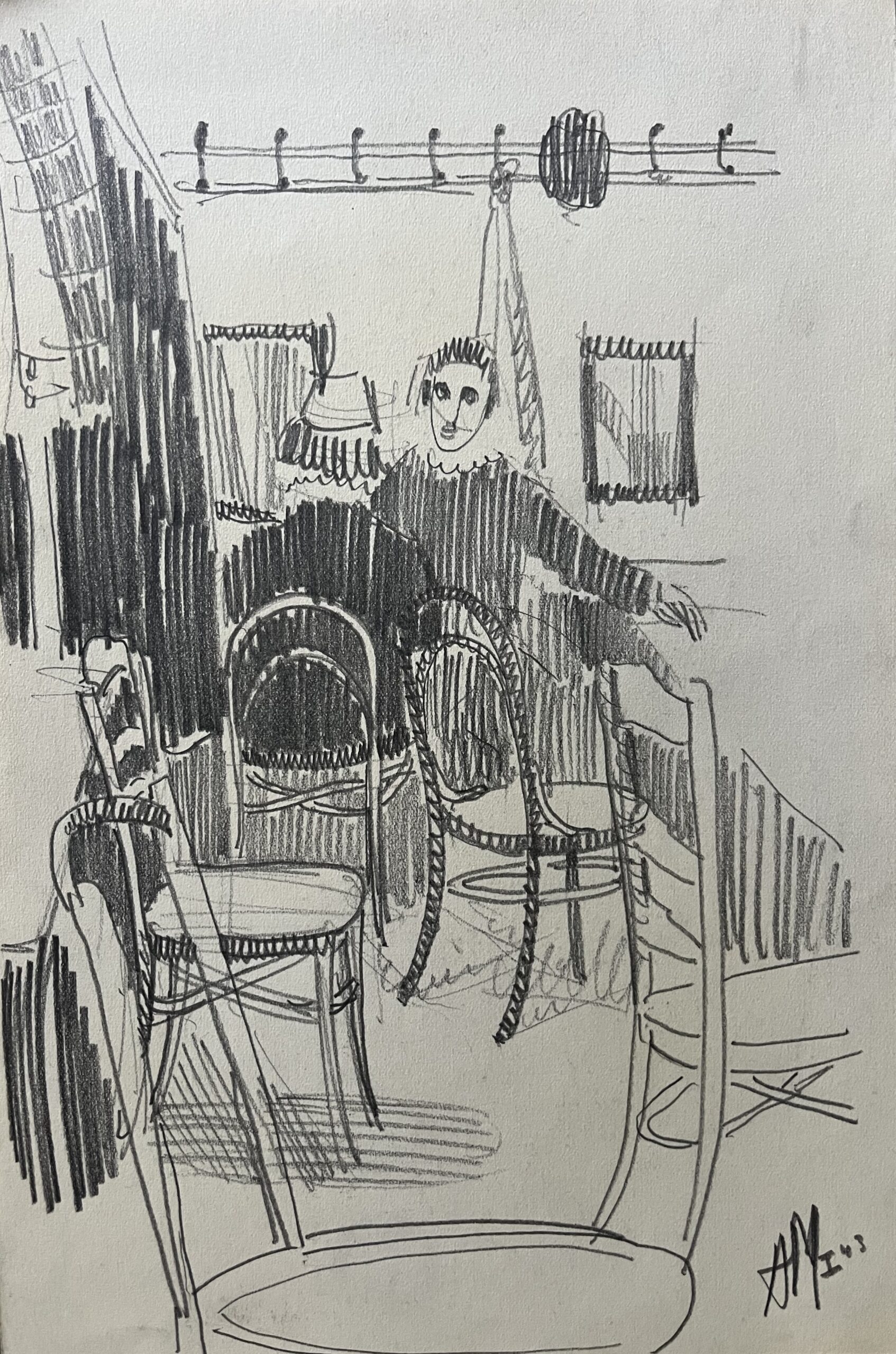
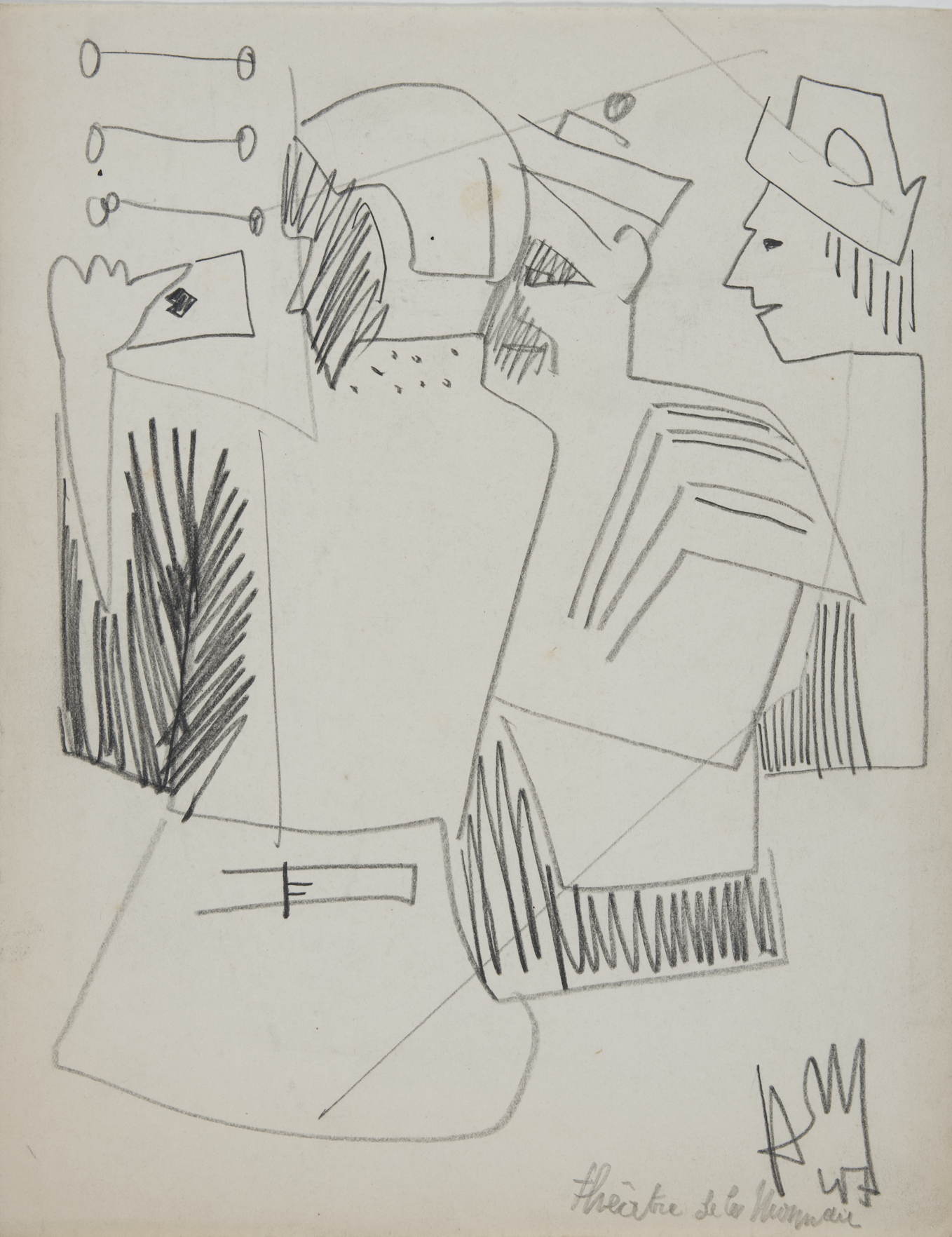
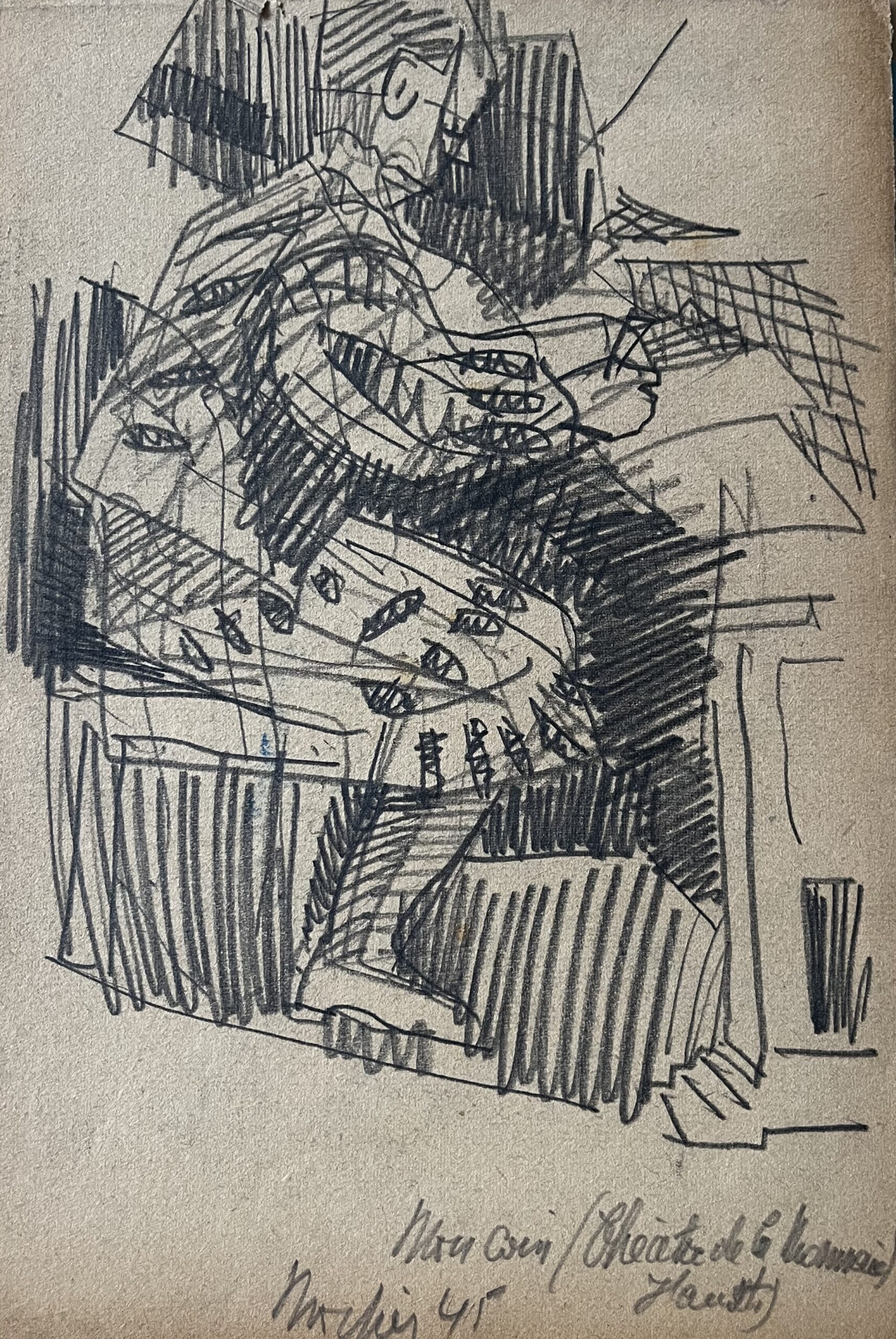
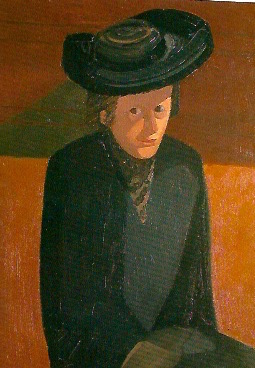
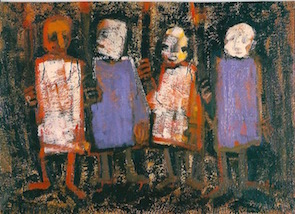
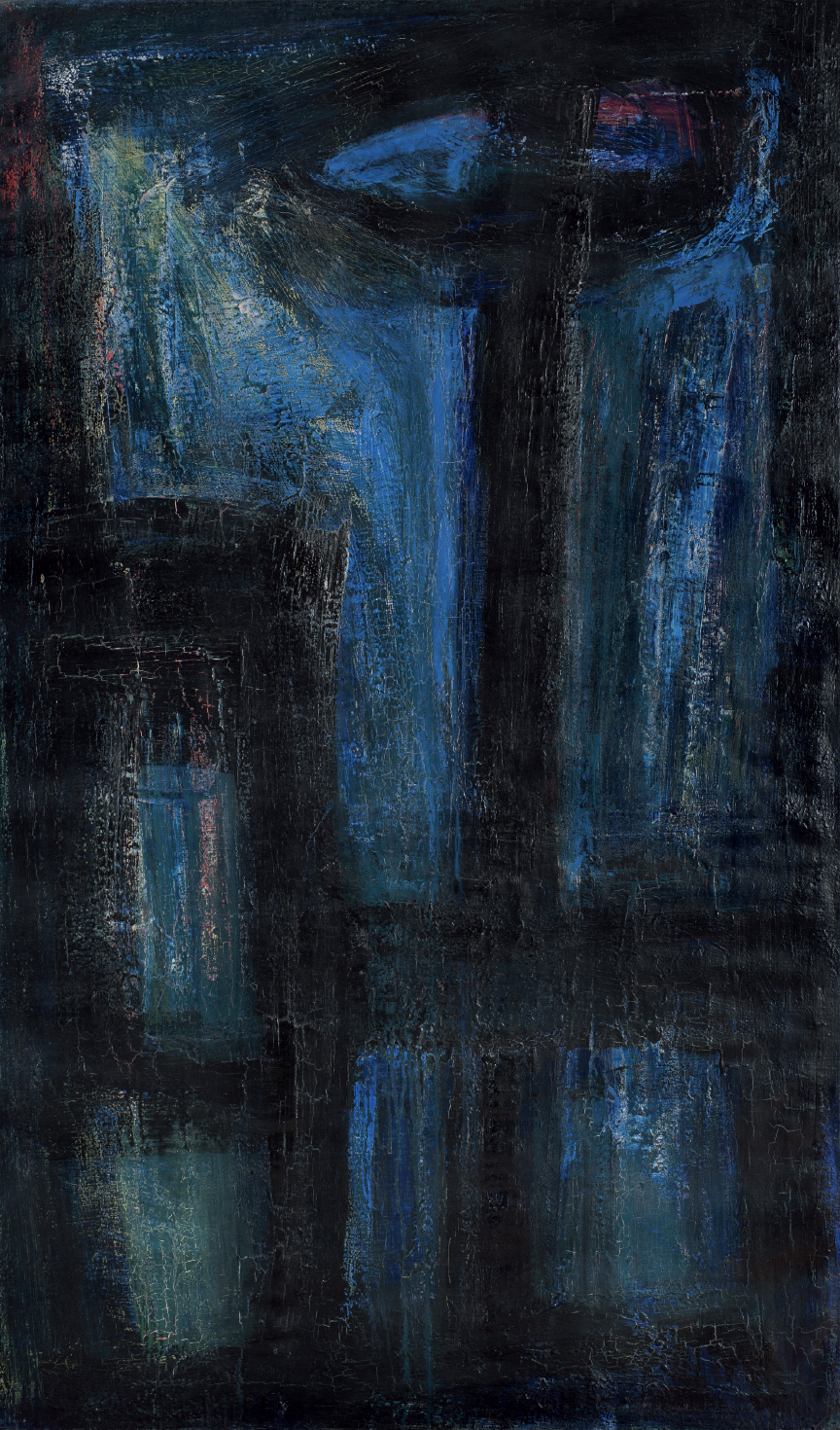
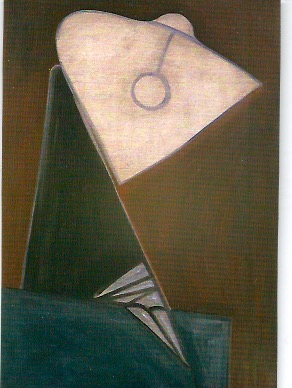
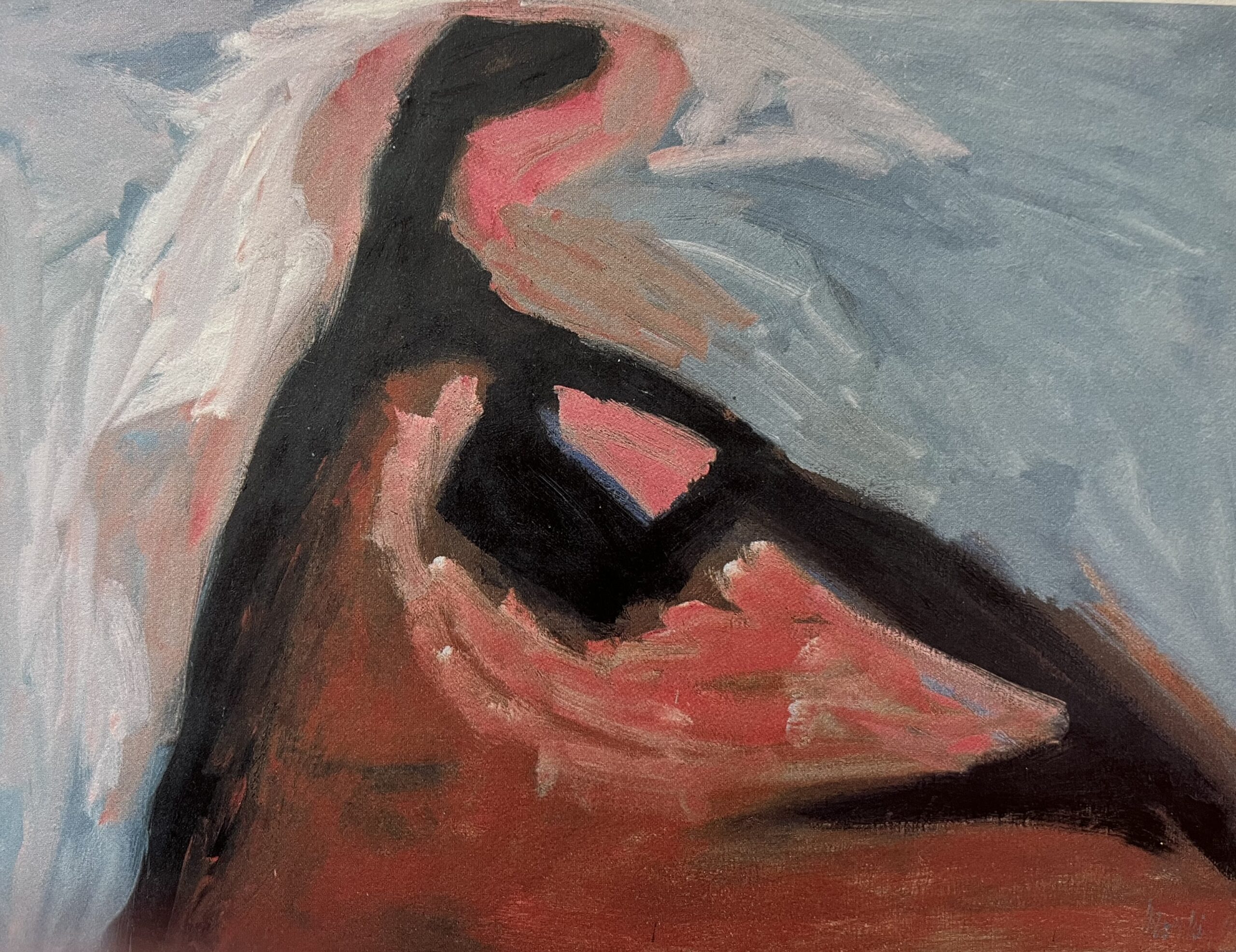
Discharged from the army following major surgery, a certificate from the Théâtre Royal de la Monnaie (TRM) confirms his employment as a chorus member at the renowned institution from December 1, 1940, to August 31, 1947. fig. 1fig. 2fig. 3fig. 4fig. 5fig. 6fig. 7
His artistic destiny took shape at a very young age through his exposure to various crafts: his father was a tailor, his mother a fashion milliner, and his first employer, a stucco contractor. These trades taught him strength, determination, perfection, compositional precision, and the art of individual expression.
It was through his frequent visits to the theater that he developed one of his earliest themes: the figure. Life there seemed timeless, untouched by the echoes of war, as if in a dream. Through the operas, he experienced the real dramas of life—discord, jealousy, love, and a passion for religion and glory. When curfew struck, he made his way back to Avenue des Celtes in Etterbeek, where his small family, paralyzed by fear, heard the German V-1 rockets tearing through the sky.
Antoine Mortier captured several key moments at La Monnaie in his paintings. He painted Marguerite (1942) fig. 8, the behind-the-scenes worker who styles the actors’ hair; Les Flambeaux (1945) fig. 9, four ragged chorus members sketched on the stage of Massenet’s Thaïs, and Massenet’s Don Quichotte (1954) fig. 10. He memorizes, sketches, and redraws his dressing room, capturing the poses of the singers, musicians, and the conductor (Maestro, 1984) fig. 11, whose face resembles a metronome. The budding painter captures the energy of the grand operas, the architecture of the set design, the atmosphere backstage, and the moods of each individual.
Director Corneil De Thoran bought his first painting and encouraged him to continue pursuing painting. It was at the TRM that he met Claudel, Honegger, Clara Clairbert, the tenors François Louis Deschamps and José Lens, the mezzo-sopranos Geneviève Moizan and Yetty Martens, the bass Maurice De Groote, and many others. Another anecdote recalls how costumes were borrowed from the theater’s wardrobe so that members of Apport 45 could participate in Marc Mendelson’s wedding procession on May 29, 1945.
When, in 1947, he was fired for returning a day late from Saint-Idesbald, intoxicated by freedom, it was his first glimpse of what fate had in store for him.
He took advantage of this unexpected free time to occasionally attend Edgard Tytgat’s life-drawing classes at the Moulin de Lindekemale in Woluwe-Saint-Lambert, while resuming his work as a furrier at Natan. He also performed during 1950 and 1951 at the Alhambra in operettas, such as La Belle Hélène fig. 12, which inspired him to create his own in 1966.
I will never forget the musical echoes of Beethoven, Wagner, Mozart, Puccini, and Verdi that filled our daily lives and nurtured our senses.
Over the years, Antoine Mortier faithfully maintained many friendships and never strayed from the path of the Royal Opera of La Monnaie, which became one of our favorite places to visit. Nourished by this institution, my father introduced us to, among others, Maurice Huisman, André Vandernoot—a great art lover— Jules Bastin, José Van Dam; and, from the parterre to the balcony, he took us to see numerous performances, including the 1959 premiere of Maurice Béjart’s first ballet, Stravinsky’s controversial “The Rite of Spring.”
On September 10, 1989, Gérard Mortier, artistic director of La Monnaie from 1981 to 1992, following a performance of Falstaff given in honor of the painter, dredged up memories of this former chorus member by hosting a selection of his works from 1940–1947 in the Maurice Kufferath Galleries to celebrate a discreet, sincere, and intergenerational friendship that felt like family.