The attic apartment, 7 Avenue des Celtes, Etterbeek, 1940–1946
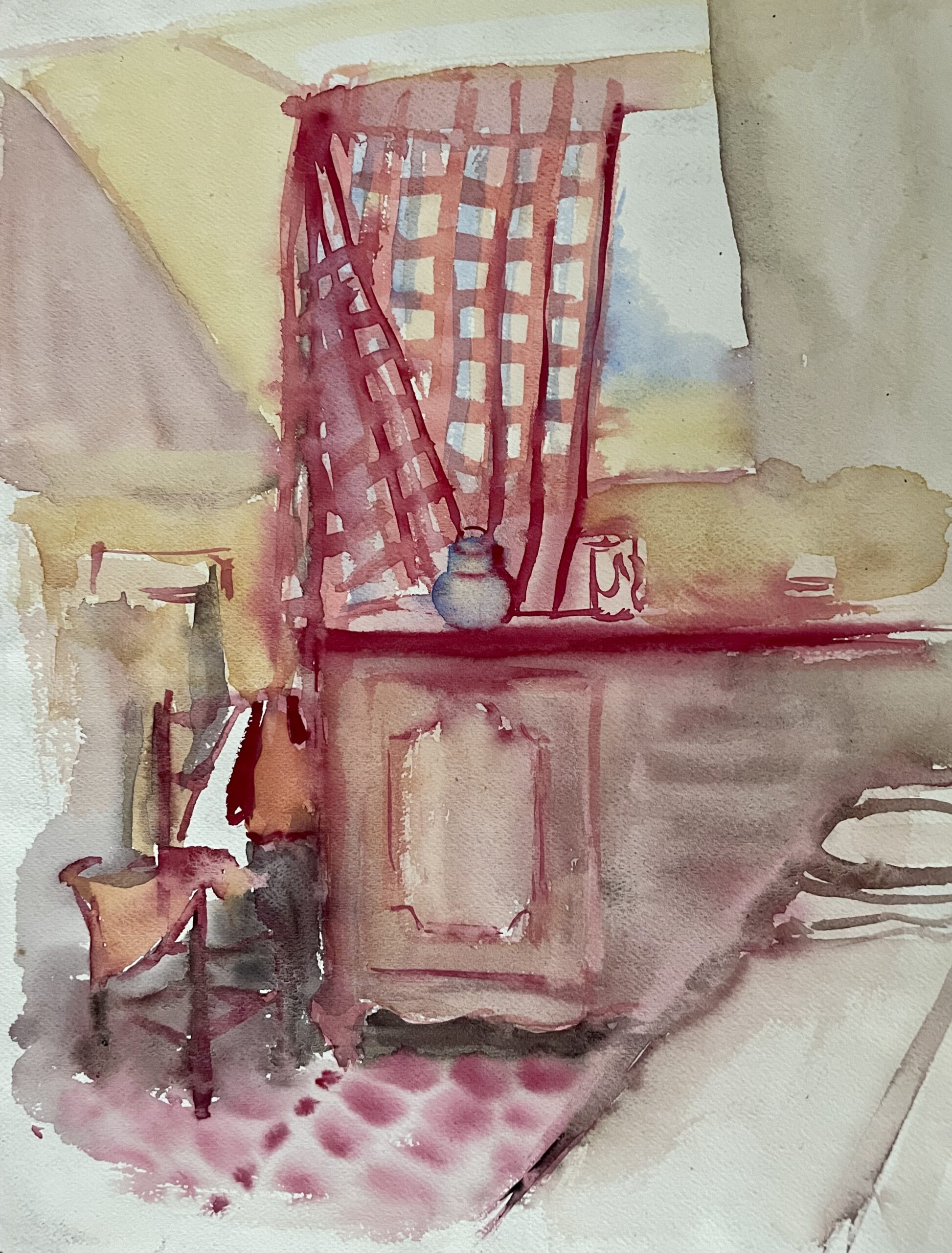
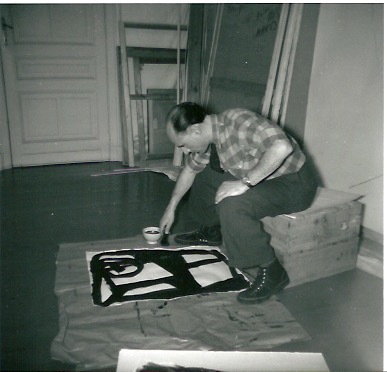
Antoine Mortier was called to arms on August 1, 1939. The corporal in the 10th Line Regiment of the Ardennes Chasseurs set off for the front. The small family lived in the attic of a building on Avenue des Celtes, over which V-1 rockets would fly at a steady pace throughout the war fig. 1fig. 2fig. 3. Mortier, who was discharged for surgery in 1940, went on to become a chorus member at the Théâtre Royal de la Monnaie from 1940 to 1947. [See “Insight: Antoine Mortier and Opera”].
The Attic Studio, 28 Rue des Boers, 1947–1953
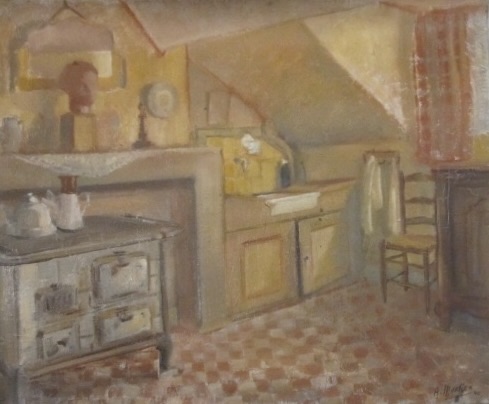
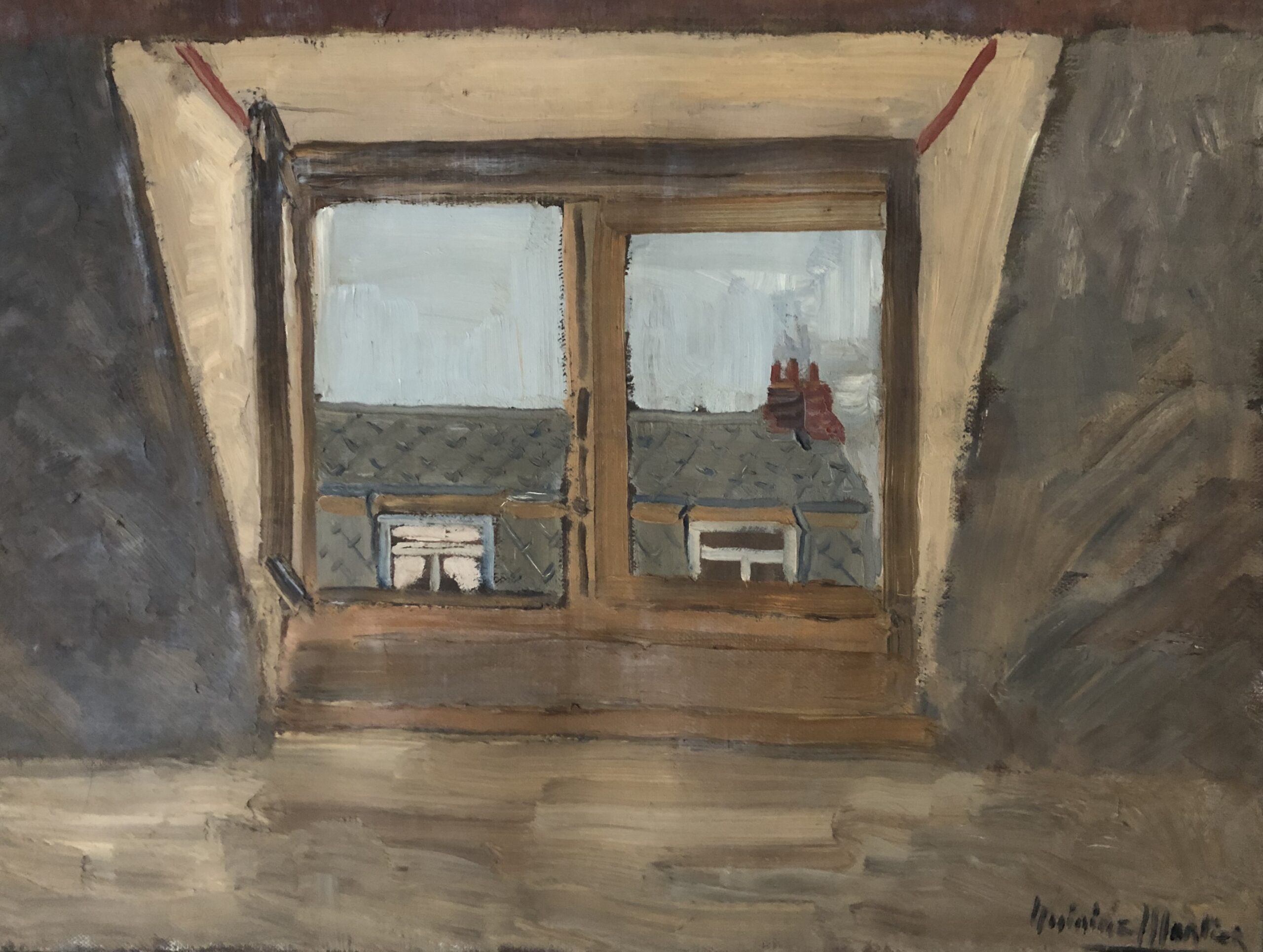
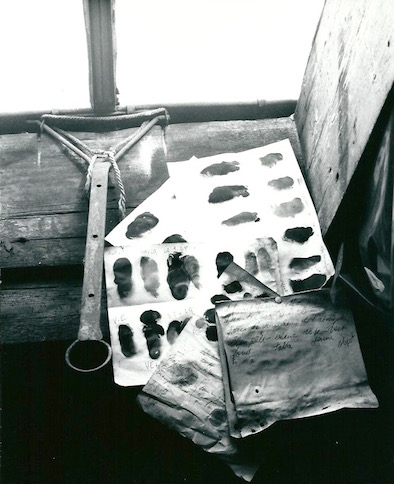
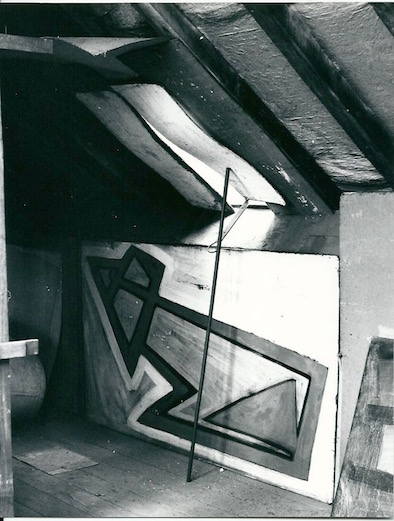
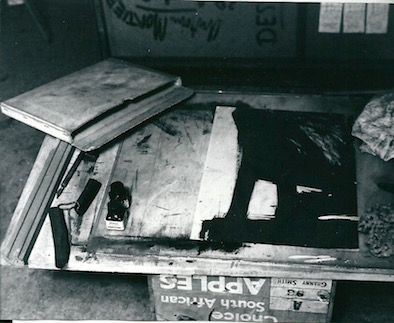
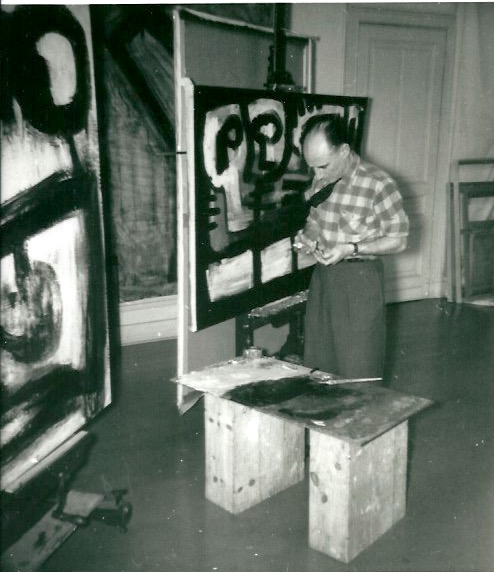
With the birth of his second daughter, the family grew, and a move became necessary. Emilienne, his wife, left Maison Natan and set up her dressmaking salon on the ground floor of their home on Rue des Boers in Etterbeek, while Mortier’s workshop occupied the tiny attic fig. 4fig. 5fig. 6.
The studio in Baroness Lambert’s mansion, 24 Avenue Marnix, 1953–1956
Baroness Lambert, a great art lover and patron, welcomed Antoine Mortier into her mansion at 24 Avenue Marnix in Brussels fig. 7fig. 8. The studio was magnificent—large, bright, and regularly visited by her and her guests. The artist can finally create without constraints. Unfortunately, a fire ravaged the building in February 1956. Mortier helped evacuate his studio, private quarters, and master paintings. Like a wandering shadow, he returned home in the early morning, surrounded by the smell of soot. His life had just been turned upside down again. Emilienne gave up her dressmaking salon and, on the advice of Cécile Houtart-Schellekens, was hired to manage the haute couture department at Sarma-Lux in the brand-new shopping complex at the narrowest part of Avenue Louise.
The Emergency Attic at Madame Rona’s, 1957
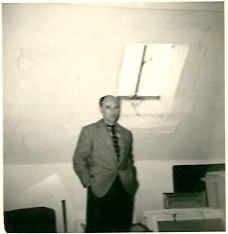
Following his solo exhibition at the “Les Contemporains” gallery in Coudenberg in 1955, Madame Rona, the gallery’s director, offered him a loft above the gallery as a temporary arrangement fig. 9.
Antoine Mortier no longer had a usable studio in which to paint and was moping.
During that year, the artist was barred from all official events in Belgium because his work did not meet the requirements of the calls for submissions. He was the notable absentee from the World’s Fair. The painter was employed from December 18, 1958, to May 31, 1959, as a framing worker at Etablissements Van Thienen in Saint-Josse-ten-Noode.
The address was well known to all major collectors of the time for its artisanal craftsmanship and use of gold leaf.
The Workshop at 35 Rue du Marteau, 1959–1967
The family moved in 1959 and settled on Rue du Marteau, near the company.
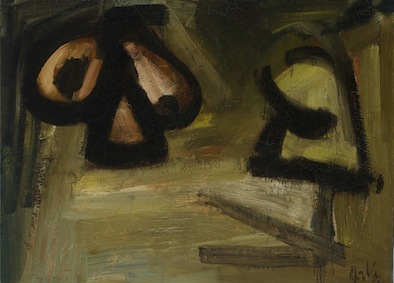
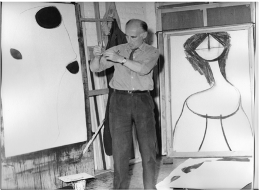
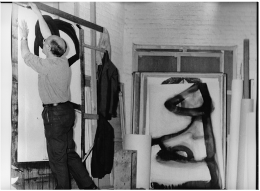
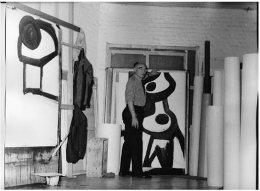
Van Thienen maintained a friendly relationship with the artist and encouraged him to take up his brush again; in 1959, he suggested that he rent a studio at the back of a building on the same street as his home. The paintings he creates are cries of rage, injustice, and anger fig. 10fig. 11.
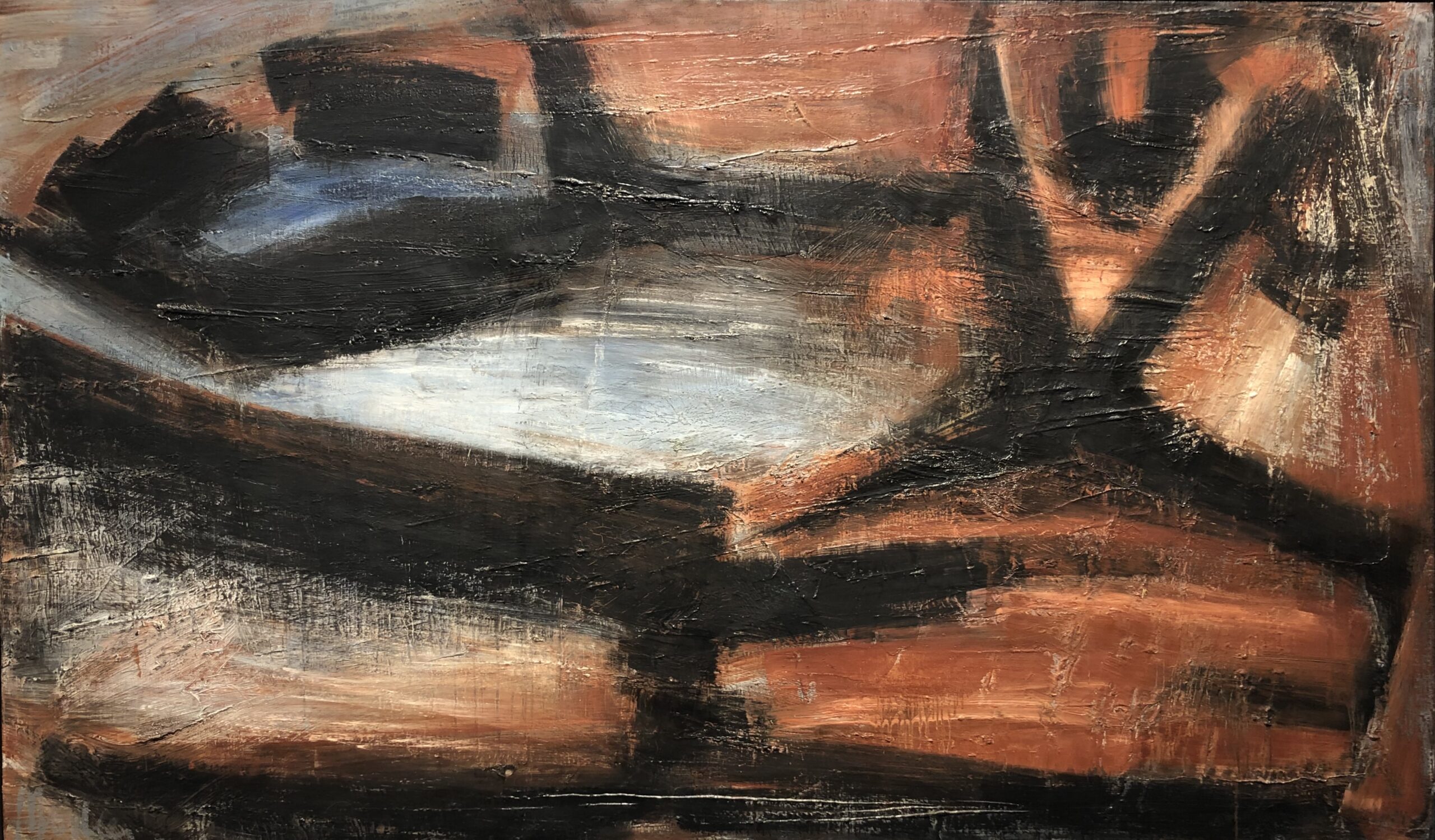
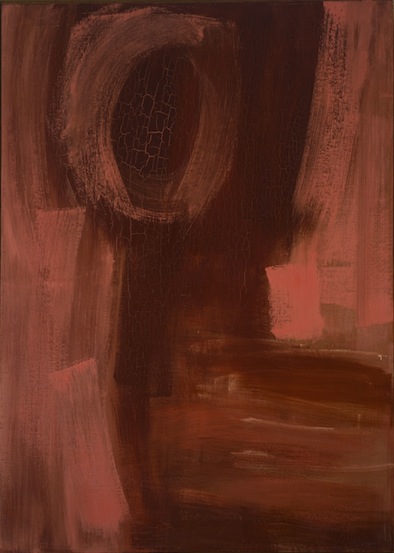
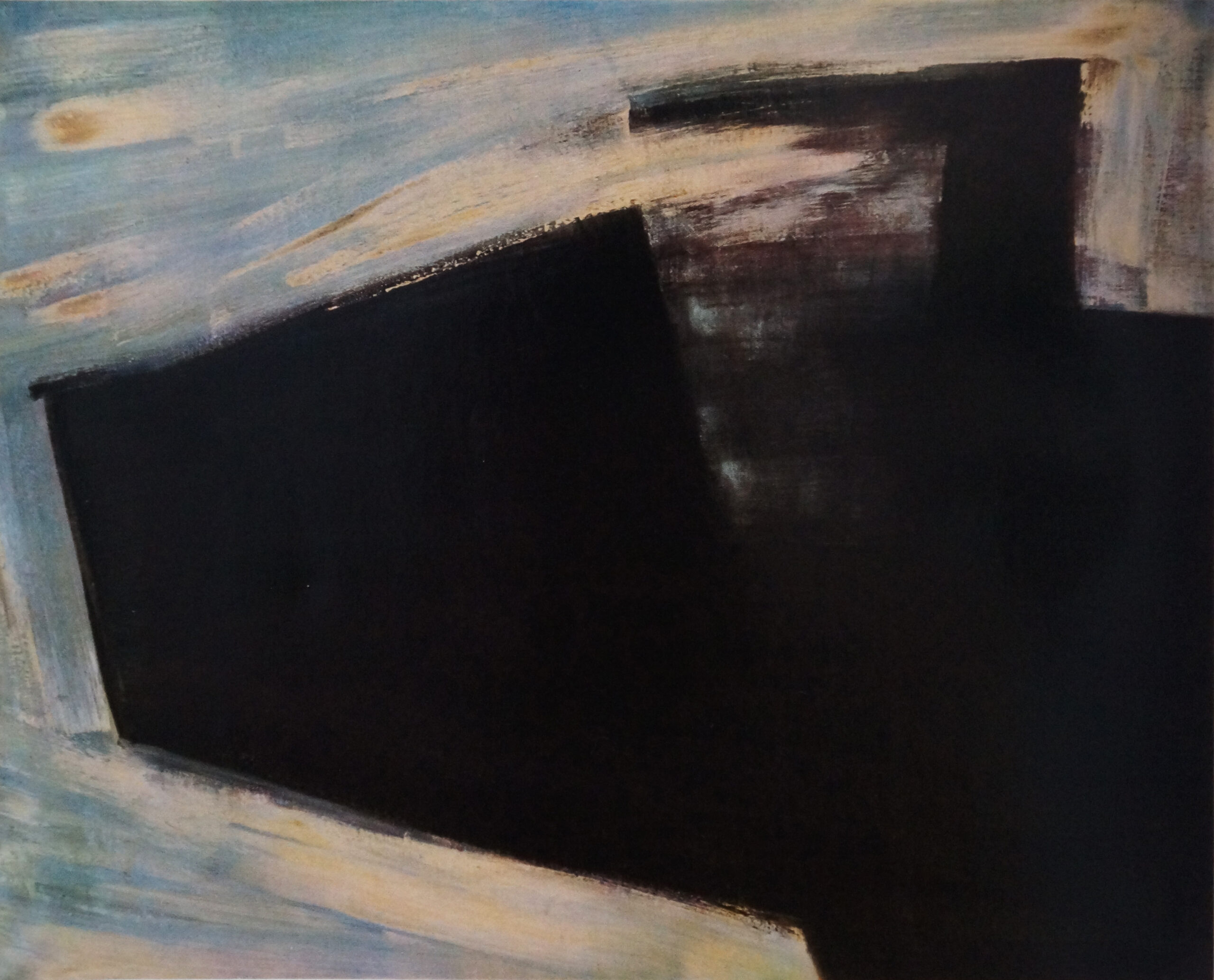
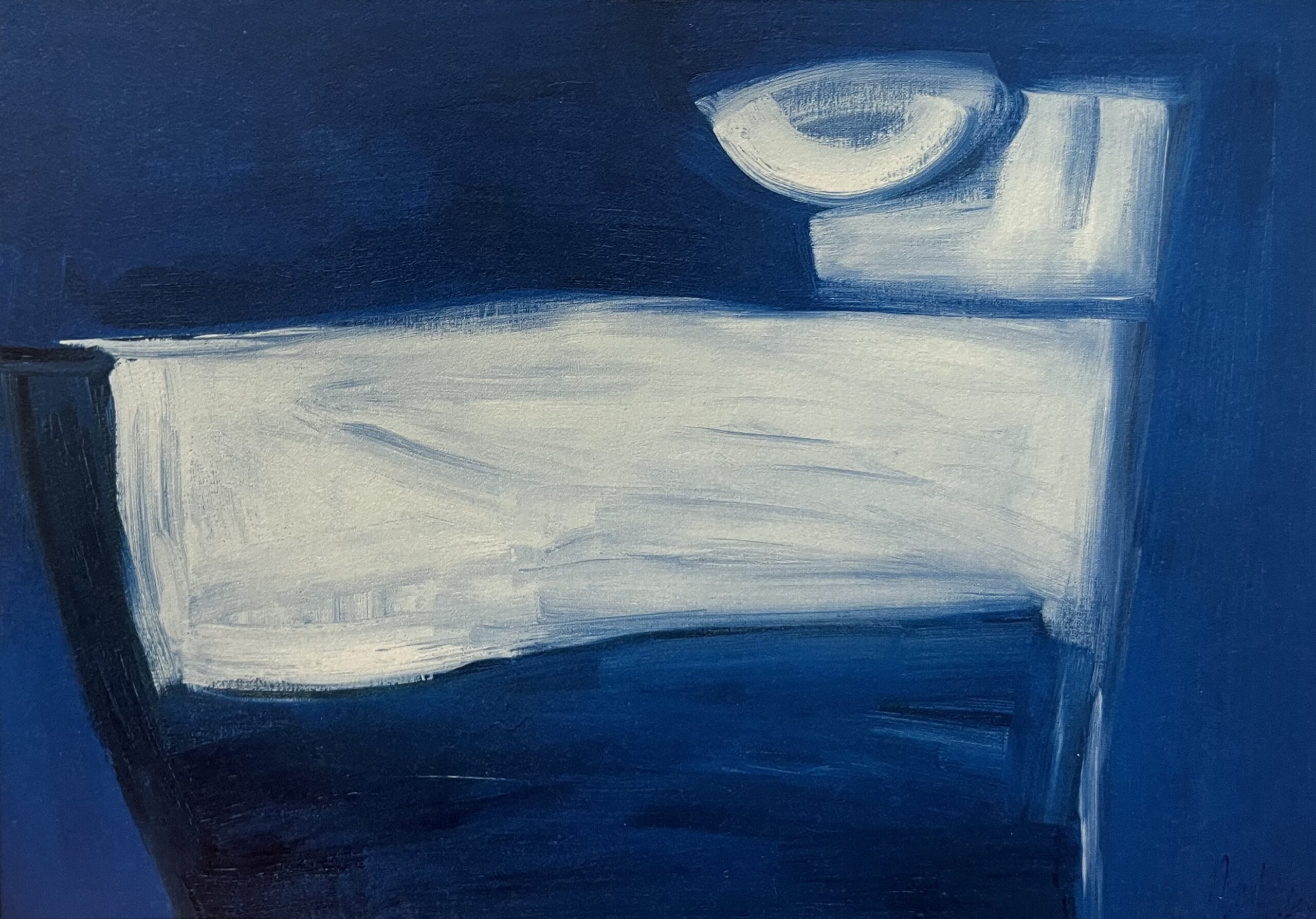
The artist is reborn with strength and conviction. Mortier lets his creativity run wild in energetic works—both small and large—in oil and ink, on canvas and paper, some measuring more than one square meter, exploring the themes dear to him: still life, objects, and the human figure fig. 12fig. 13fig. 14.
The workshop in Piètrebais (Walloon Brabant), 8 Rue Ecole des Filles, 1967–1993
In early 1960, Maurice Naessens and Banque Paris-Bas acquired several paintings. Antoine Mortier bought his first car (a Fiat 600) and learned to drive.
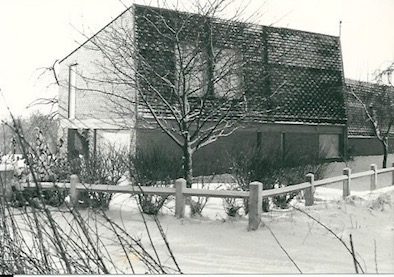
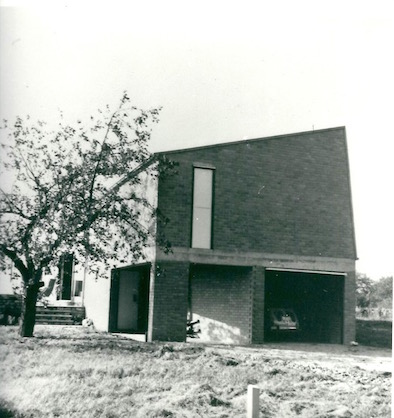
He begins to dream of his home-studio and envisions the plans. The single-story living area—whose north-facing roof is 1.50 meters above the ground to protect it from the cold—is connected by a few steps to the 60-square-meter studio. The studio is lit by two large north-facing windows to maximize natural light fig. 15fig. 16. All the south-facing windows look out onto the rolling countryside. A narrow window on the front facade allows for the loading of canvases fig. 17. The house became a local curiosity and was known by the neighbors as “the artist’s house.”
The workshop at Square des Cicindèles in Boitsfort, 1994–1996
Emilienne Mortier-Lempereur died on October 26, 1992. Antoine Mortier sold his house-studio and returned permanently to Brussels, where he took up residence in a small apartment. In a final burst of creativity, he transformed the apartment’s dining room into a studio fig. 18. In October 1996, before the artist’s final move, the camera captured the metaphor of his struggles fig. 19.
Antoine Mortier died on January 26, 1999.